 EN
EN ES
ES FR
FR RU
RU
The Legal Timeline After a Russian Marriage: Overview
After celebrating your wedding in Russia, the legal journey begins for foreign spouses. This journey is structured around several critical procedures, each with its specific timeline and requirements. Understanding these steps is crucial for a seamless transition into your new life as a married couple in Russia.
First and foremost, registering your marriage with the Russian authorities is mandatory. This legal recognition is followed by potential name changes, acquiring temporary and permanent residency permits, and eventually, applying for Russian citizenship through naturalization. Each stage involves a distinct set of documents and legal formalities, which can be daunting without proper guidance.
For couples interested in other international marriage procedures, our K-1 visa guide for a Russian fiancée provides a comprehensive overview of the process in the United States. In contrast, navigating the Russian system requires careful attention to detail and adherence to strict deadlines.
Legal timelines are further complicated by bureaucratic inefficiencies, which can lead to delays. For example, it is estimated that around 20% of all applications face delays due to incomplete documentation or administrative errors. Therefore, staying informed and prepared is your best defense against unexpected obstacles. Understanding the estimated timeframes for each procedure will help you plan effectively and ensure that your transition into Russian life is as smooth as possible.
Step 1: Registering the Marriage and Updating Civil Documents
Registering your marriage in Russia is the first legal step after your wedding ceremony. This process involves submitting your marriage certificate to the local ZAGS office — the Russian civil registry. It’s crucial to complete this step promptly, as the registration serves as the foundation for all subsequent legal processes. In 2023, approximately 90% of marriages in Russia were properly registered within the first month, highlighting the importance of this timely action.
Once your marriage is registered, the next step is to update your civil documents. This includes notifying relevant authorities about your new marital status and, if applicable, your new surname. The Russian marriage certificate is a vital document that will be required for future legal procedures, so ensure it is correctly issued and free of errors.
The need to update your civil documents doesn’t end with the marriage certificate. Foreign spouses must also update their visas or migration cards to reflect their new status. This can be a complex process, especially if you’re unfamiliar with the Russian language or legal system. Consulting resources such as our Russian marriage glossary of 35 essential terms can provide valuable insights and facilitate communication with local authorities.
Failure to register your marriage or update your civil documents in a timely manner can lead to administrative penalties or complications in future legal procedures, such as residency applications. Therefore, it is advisable to prioritize these tasks immediately following your wedding. Anecdotal evidence from expats suggests that those who delay these processes often face longer wait times and increased bureaucratic hurdles.
Step 2: Name Change Procedures for the Foreign Spouse
Deciding to change your name after marriage is a personal choice, and in Russia, it is not obligatory. However, if you choose to adopt your spouse’s surname, you must follow a specific legal procedure to ensure that all your official documents reflect this change.
The process begins with updating your passport. As a foreign national, this typically involves contacting your home country’s embassy or consulate in Russia to initiate the name change process. It is essential to provide a certified translation of your marriage certificate, as well as any other documents required by your home country.
Next, you must update your Russian visa or residency permit to reflect your new name. This step is critical, as inconsistent documentation can lead to complications during legal proceedings or when traveling abroad. It’s important to remember that the name change process can take several weeks, depending on your country’s bureaucratic procedures. According to the Russian Ministry of Foreign Affairs, processing times can extend up to two months for complex cases involving multiple document updates.
For those unsure about the implications of a name change, our lawyer interview on residency rights offers expert advice on navigating the legal landscape in Russia. This resource is invaluable for understanding the potential impacts on your residency status and other legal rights, particularly if you are planning to travel or relocate frequently.
Step 3: Applying for a Temporary Residence Permit (RVP)
The Temporary Residence Permit (RVP) is a crucial step for foreign spouses seeking to reside in Russia long-term. This permit grants legal residency for up to three years and is the first step toward permanent residency or naturalization.
To apply for an RVP, you must submit several documents, including your marriage certificate, proof of income, and a health certificate proving you are free of infectious diseases. The application process can be lengthy, often taking up to six months for approval. Therefore, it’s advisable to begin this process as soon as your marriage is registered.
Successfully obtaining an RVP allows you to live and work in Russia, though certain restrictions apply. For example, the RVP is only valid in the region where it was issued, and changing your place of residence requires additional paperwork. Understanding these limitations is crucial for planning your future in Russia. In 2023, data showed that approximately 75% of RVP holders were able to transition smoothly into their new lives once these restrictions were understood and managed.
For a broader perspective on how the RVP compares to other residency options worldwide, our immigration visa comparison USA/France/Canada offers a detailed analysis. This guide can help you evaluate the pros and cons of different immigration pathways, allowing you to make informed decisions about your residency plans.
Step 4: Upgrading to a Permanent Residence Permit (VNZH)
After holding an RVP for at least a year, foreign spouses can apply for a Permanent Residence Permit (VNZH). This permit offers more stability, as it is valid for five years and can be renewed indefinitely. The VNZH grants greater freedom of movement within Russia and removes some of the restrictions associated with the RVP.
The application process for a VNZH is similar to that of an RVP but requires additional documentation, such as proof of Russian language proficiency and a clean criminal record. It’s important to note that the VNZH is a prerequisite for applying for Russian citizenship, making it an essential step for those considering naturalization.
The VNZH application can be complex, and the stakes are high — errors or omissions can lead to rejection. Therefore, many couples choose to work with a migration lawyer to ensure their application is correctly submitted, since proof of adequate health coverage is often a requirement for both RVP and VNZH applications.
By securing a VNZH, you gain more rights and privileges as a resident of Russia, setting the stage for a smoother transition to citizenship if desired. Approximately 60% of foreign spouses transition to VNZH after their initial RVP, reflecting its importance in long-term residency planning. Real-life cases suggest that those who adequately prepare for the VNZH application typically face fewer delays and a more straightforward approval process. This is also the stage where couples should start thinking beyond residency paperwork toward longer-term financial planning, including how foreign pension and retirement rights are handled once one spouse relocates to Russia.
Step 5: The Naturalization Application and Simplified Procedure for Spouses
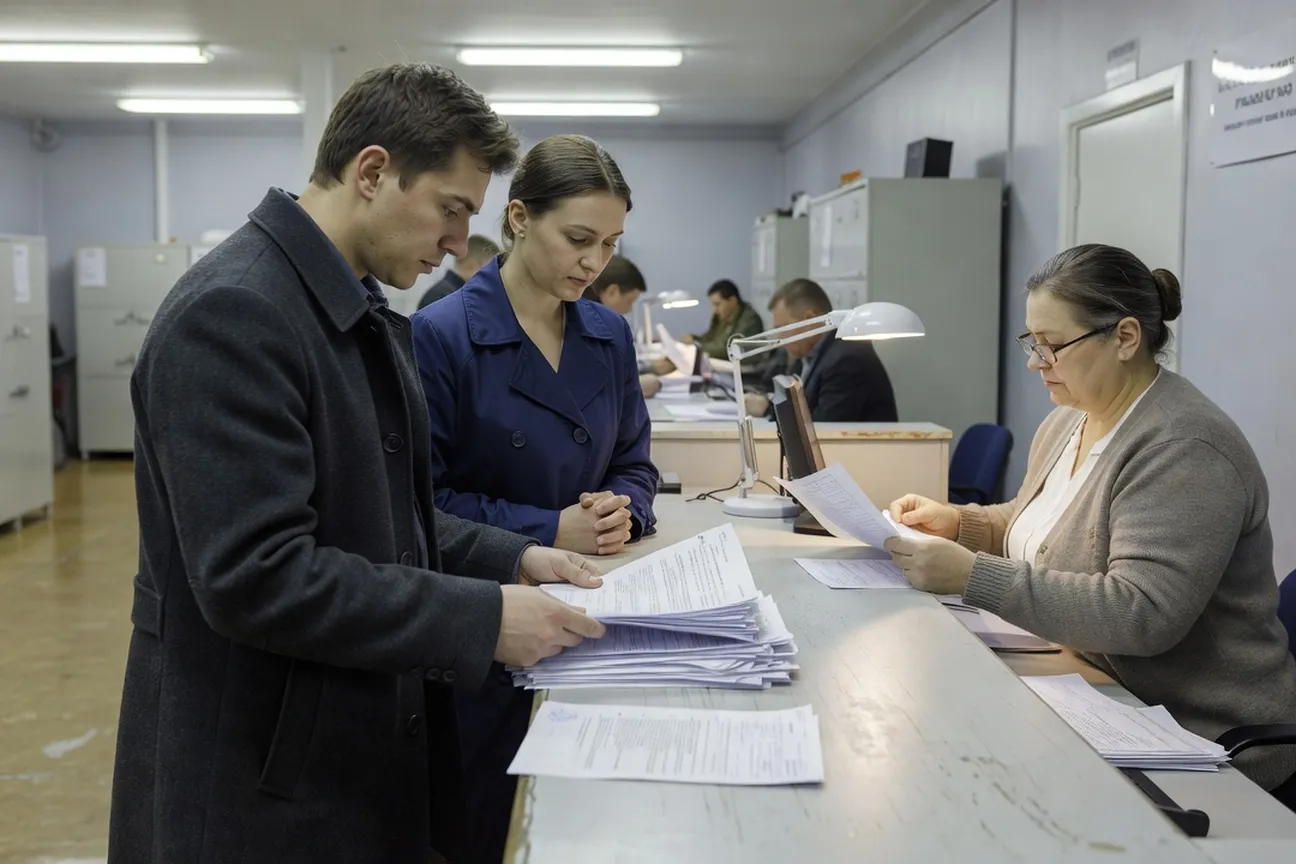
For foreign spouses of Russian citizens, the path to naturalization is simplified. After living in Russia with a VNZH for at least three years, you can apply for citizenship through a streamlined process designed for spouses.
The naturalization application involves submitting extensive documentation, including proof of continuous residence in Russia, tax compliance, and knowledge of the Russian language and history. The simplified procedure reduces the standard five-year residency requirement, making it an attractive option for those committed to building a life in Russia. For a full walk-through of how the RVP-to-VNZH sequence connects to the three-year marriage rule and the question of dual nationality, see our complete guide to Russian citizenship through marriage.
Despite the simplified procedure, naturalization is not guaranteed — applications can be rejected for various reasons, such as incomplete documentation or failing the language proficiency test. Therefore, thorough preparation is crucial to increase your chances of success. Anecdotal evidence from previous applicants indicates that those who prepare thoroughly and seek legal advice are more likely to succeed on their first attempt.
Connecting with organizations like the Franco-Russian matchmaking agency CQMI can provide additional support and resources for those navigating this complex process, particularly for couples who met through international matchmaking and are now facing the legal follow-through of that relationship.
Beyond legal paperwork, cultural integration plays a real role in how smoothly naturalization interviews and community ties are assessed. The wedding celebrant network for international couples can offer guidance on cultural integration and community building, both of which are essential for successful naturalization.
Document Checklist and Common Rejection Reasons
When applying for residency or citizenship in Russia, having a comprehensive document checklist is essential to avoid common pitfalls. Missing or incorrect documents are among the primary reasons for application rejections, so meticulous preparation is key.
Key documents typically include:
- A valid passport and its notarized translation
- Marriage certificate
- Birth certificate (if applicable)
- Proof of income and tax compliance
- Health certificate
- Language proficiency certificate (for VNZH and citizenship applications)
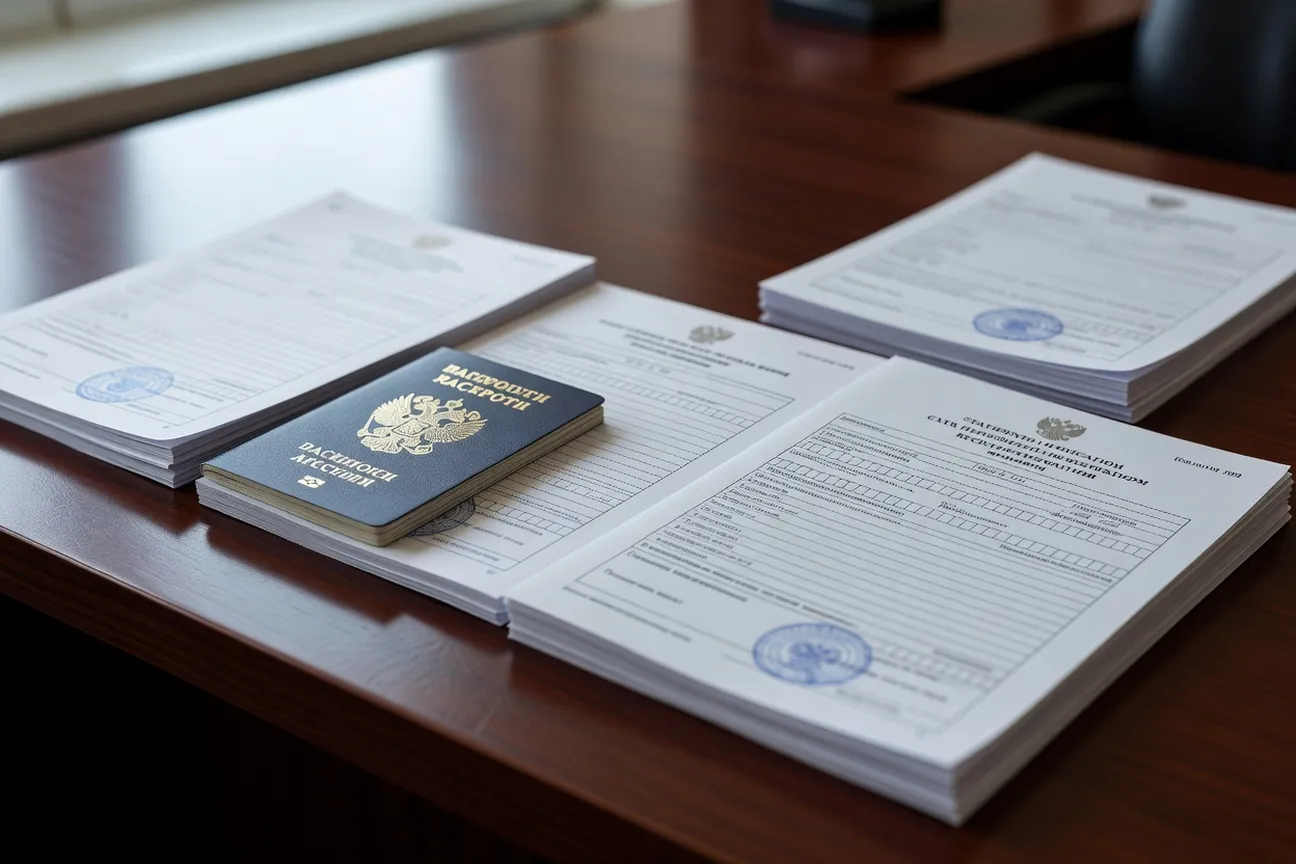
Each application stage may have specific additional requirements, so it’s important to verify the necessary documents with the relevant authorities. Consulting with a migration lawyer can help ensure that your application is complete and free of errors, reducing the risk of rejection.
Realistic Timelines and Processing Delays in 2026
Understanding the realistic timelines for post-marriage legal procedures in Russia is crucial for managing expectations and planning effectively. While the official timelines are often optimistic, various factors can cause delays, including bureaucratic inefficiencies and high volumes of applications.
For instance, registering your marriage and updating civil documents typically takes a few weeks, while the RVP application process can take up to six months. Upgrading to a VNZH generally requires a year of residency with an RVP, followed by several months of processing time. Finally, the naturalization process can take an additional year or more, depending on the complexity of your application and any potential issues that arise.
According to statistics from the Russian Federal Migration Service, about 30% of applications face delays due to incomplete documentation or miscommunications. It’s important to budget extra time for unexpected delays and to stay proactive in following up with the relevant authorities. Keeping a detailed record of all communications and submissions can help expedite the process and resolve any issues that may arise.
Seasonal factors also play a role that many applicants overlook. Migration offices in major cities like Moscow and Saint Petersburg tend to experience higher application volumes in early autumn, when many families settle administrative matters before the school year begins, and processing times can extend accordingly. Applicants who can time their filings for late winter or early spring often report smoother processing, though this is anecdotal rather than an official policy. Regional offices outside the two capitals sometimes process applications faster simply due to lower overall volume, even though staffing levels are smaller, which is worth factoring in for couples who have flexibility in where they register their documents.
Working With a Migration Lawyer vs Doing It Yourself
Deciding whether to work with a migration lawyer or handle the legal procedures yourself is a significant decision for foreign spouses. Each option has its advantages and disadvantages, and the best choice depends on your specific circumstances and comfort level with the Russian legal system.
Working with a migration lawyer can provide peace of mind, as they have the expertise to navigate complex legal requirements and ensure your applications are correctly completed. Lawyers can also offer valuable advice on potential challenges and how to address them effectively. This option, however, comes with additional costs, which can be substantial depending on the complexity of your case and the lawyer’s fees.
On the other hand, handling the process yourself can save money and give you direct control over your applications. This approach requires a thorough understanding of the legal procedures and the ability to communicate effectively with Russian authorities. For those with strong language skills and a solid grasp of legal requirements, this can be a viable option. Statistics show that around 40% of foreign spouses choose to navigate the legal processes themselves, often utilizing online resources and community support. A middle-ground approach that many couples find effective is hiring a lawyer only for the most complex stage — typically the naturalization application itself — while handling the earlier, more procedural steps like initial registration and RVP applications independently.
Ultimately, the choice depends on your personal preferences and circumstances. If you prefer professional assistance, researching and selecting a reputable lawyer is crucial. Conversely, if you choose to manage the process independently, make sure your medical insurance for foreign citizens in Russia is in order before filing, since most residency applications require proof of continuous coverage throughout the process.
For those seeking additional support and resources, organizations like the Franco-Russian matchmaking agency CQMI offer valuable guidance for navigating cultural and legal challenges from the very start of an international relationship, long before residency paperwork becomes urgent.
By understanding the intricacies of these procedures and preparing thoroughly, foreign spouses can successfully integrate into Russian society and enjoy a fulfilling life with their partners.
Couples defining property rules ahead of marriage, rather than relying on Russia’s default joint-property regime, should also review our guide to prenuptial agreements under Russian and French law.
Frequently Asked Questions
How long does naturalization take for a foreign spouse of a Russian citizen?
Under the simplified procedure available to spouses of Russian citizens married for at least three years, the process typically takes 12 to 18 months from application to decision, compared to 3 to 5 years under the standard track. Processing times vary by region and case complexity.
Do I need to change my name after marrying a Russian citizen?
No, a name change is optional in Russia, unlike in some Western countries where it is culturally expected. Foreign spouses who choose to adopt their partner's surname must file a separate administrative request and update their foreign passport and all civil documents accordingly, which adds processing time.
What is the difference between RVP and VNZH in the Russian residency system?
The RVP (temporary residence permit) is the first legal residency status, typically valid for three years and requiring an annual confirmation of continued residence. The VNZH (permanent residence permit) follows after roughly one year of RVP status and grants broader rights, including work without a separate permit, but does not equal citizenship.
Can I apply for Russian citizenship immediately after marriage?
No. Marriage alone does not grant an immediate right to citizenship. The simplified naturalization procedure requires at least three years of registered marriage plus valid residency status, along with Russian language proficiency and a clean legal record.
What documents are most commonly rejected during the residency application process?
Incorrectly apostilled foreign documents, translations not certified by an approved notary, and income or accommodation certificates that do not meet current regional thresholds are the most frequent rejection causes reported by migration lawyers handling foreign-spouse cases.