 EN
EN ES
ES FR
FR RU
RU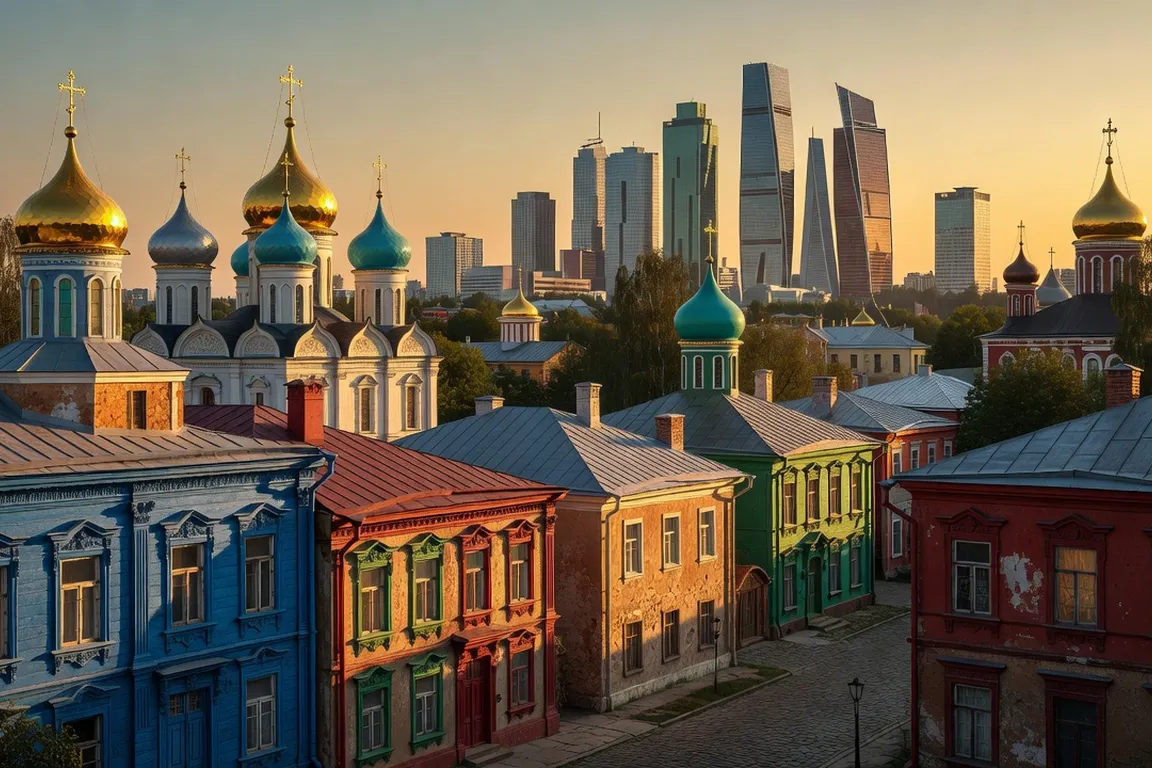
Where Do Russian Women Actually Live? A Demographic Reality Check
When discussing the living habits of Russian women, it’s crucial to correct the common misconception that the majority reside in Moscow or Saint Petersburg. In reality, these two metropolitan areas, while significant, account for only a fraction of the female population. According to the latest statistics, approximately 13 million of Russia’s roughly 78 million women live in Moscow and Saint Petersburg combined. This figure illustrates that a substantial number of women are spread across various regions of this vast country.
The distribution of populations in Russia is influenced by many factors, including historical developments, economic opportunities, and geographical considerations. Top 12 Russian cities to meet your future wife reveals that apart from the two major cities, other urban areas such as Novosibirsk, Yekaterinburg, and Kazan also have significant female populations.
These regional cities offer a different lifestyle and set of opportunities compared to the bustling metropolitan centers. For instance, in places like Samara or Nizhny Novgorod, the pace of life is slower, and community ties are often stronger. Such environments can have a profound impact on personal relationships, particularly in the context of a mixed-nationality couple deciding where to establish their home. Understanding these dynamics is crucial when meeting your Russian girlfriend’s family as cultural expectations might vary significantly.
Understanding where Russian women actually live provides an essential context for anyone considering a relationship or life in Russia. It’s a country characterized by diversity not only in geography but in culture and lifestyle as well.
Moscow and Saint Petersburg: The Metropolitan Lifestyle
Moscow and Saint Petersburg epitomize the metropolitan lifestyle many associate with Russia. These cities are hubs of economic activity, cultural exchange, and international influence. Moscow, the capital, is a sprawling metropolis where the fast-paced lifestyle is palpable. Residents have access to a wide array of services and amenities, from world-class dining to cutting-edge medical care. Housing options range from modern high-rise apartments to historic buildings converted into luxurious living spaces.
Saint Petersburg, often referred to as the cultural capital, offers a slightly different vibe. It boasts a rich historical tapestry, with its European-style architecture and numerous museums and theaters. The city’s atmosphere is more relaxed compared to Moscow, yet it still offers the conveniences of modern urban life.
For expatriates, these cities provide a level of comfort and familiarity not always found in regional areas. The availability of international schools, English-speaking services, and diverse social networks can ease the transition for those moving from abroad. It’s no wonder that what keeps expatriates in Moscow is its cosmopolitan allure and the dynamic opportunities it offers.
However, the metropolitan lifestyle comes with challenges, such as higher living costs and a fast-paced environment that can be overwhelming. For couples, especially those with mixed cultural backgrounds, navigating the complexities of life in these cities requires adaptability and a willingness to engage with both the benefits and the hurdles they present. The decision to live in these cities often involves balancing career prospects with personal well-being, a consideration that is crucial for long-term satisfaction.
The Ural Region: A Different Pace of Life
The Ural region, located at the geographical divide between Europe and Asia, offers a stark contrast to the hustle and bustle of Moscow and Saint Petersburg. Cities like Yekaterinburg, the administrative center of the region, are characterized by a slower pace of life and a strong sense of community. The Urals have historically been a center for industry and mining, contributing to a robust local economy that continues to evolve.
In Yekaterinburg, residents enjoy a mix of urban and natural environments, with easy access to outdoor activities in the surrounding mountains and forests. This blend of city and nature appeals to many who seek balance in their lives. The cost of living is generally lower than in the major metropolitan areas, making it an attractive option for those looking to stretch their earnings further.
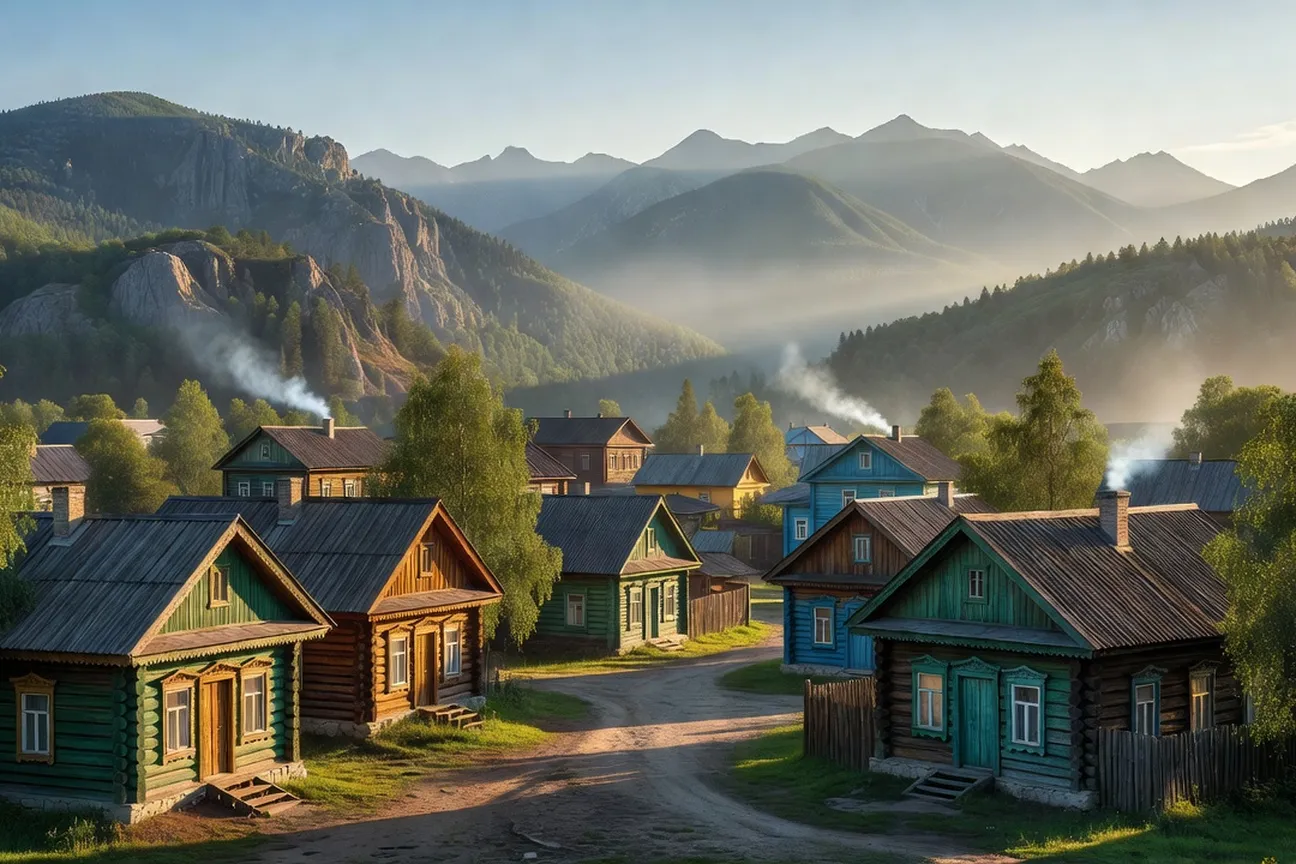
The social dynamics in the Ural region also differ. Here, community ties tend to be stronger, and traditional values often play a more significant role. This can affect relationship dynamics, particularly when it comes to meeting family expectations and integrating into local customs. For those considering a move to this part of Russia, understanding these cultural nuances is essential for successful integration and relationship development.
Moreover, the Ural region’s emphasis on tradition and community provides a supportive environment for families. Couples, especially those from different cultural backgrounds, may find that the slower pace of life and the emphasis on personal relationships help in building a stable and nurturing family environment.
Siberia: Distance, Climate, and Community
Siberia is often synonymous with extreme conditions, both in terms of climate and geography. However, this vast region, which covers about 77% of Russia’s land area, is home to vibrant communities that thrive despite the challenges. Cities such as Novosibirsk and Krasnoyarsk serve as economic and cultural centers, offering opportunities in fields like technology and science.
The Siberian climate, marked by long, harsh winters and short summers, influences every aspect of life. Residents have adapted to these conditions through a strong sense of community and resilience. This environment fosters close-knit relationships, as people often rely on each other to navigate the challenges of daily life.
For couples, living in Siberia means embracing a unique lifestyle that includes outdoor winter sports and community gatherings that offer warmth and companionship during the cold months. The distance from major metropolitan centers also means that local culture and traditions have a significant influence on daily life, which can be both enriching and demanding for those new to the region.
Moreover, the sense of isolation can be a double-edged sword; while it fosters strong community bonds, it may also present challenges for those who are accustomed to the conveniences of urban life. This aspect is crucial for international couples to consider when planning their future, as it will impact everything from social interactions to career opportunities. The decision to embrace such a lifestyle involves weighing the benefits of close community ties against the potential isolation from larger economic centers.
The Russian Far East: Isolation and Opportunity
The Russian Far East, known for its vastness and remoteness, offers a different perspective on life in Russia. This region, bordered by the Pacific Ocean, is rich in natural resources and strategic in its proximity to Asian markets. Cities like Vladivostok and Khabarovsk serve as gateways to Asia, contributing to their economic significance.
The lifestyle in the Far East is influenced by its isolation from the rest of Russia. While this can present logistical challenges, it also offers unique opportunities, particularly in industries such as fishing, forestry, and trade. The region’s natural beauty, with its coastal landscapes and pristine wilderness, attracts those who appreciate outdoor adventures and a slower pace of life.
For couples considering a move to the Far East, the decision often hinges on weighing the benefits of economic opportunities against the challenges of distance and cultural adjustment. The region’s isolation can impact social life and access to certain services, making it essential for newcomers to establish strong networks and adapt to local conditions.
The cultural diversity in the Far East, influenced by its proximity to China, Japan, and Korea, adds another layer of complexity to life here. This diversity can enrich personal relationships but also requires an openness to differing cultural norms and practices. For those willing to embrace these challenges, the Russian Far East offers a distinctive and rewarding lifestyle experience. The decision to settle in this region involves a commitment to understanding and integrating into a unique cultural and economic landscape.
Mentality Differences Between Metropolis and Regional Russia
The mentality of individuals living in Russia’s metropolitan areas versus those in regional cities can vary significantly. In Moscow and Saint Petersburg, the lifestyle is often characterized by ambition, competitiveness, and a focus on personal and professional advancement. This environment fosters a mentality that is open to change and innovation but can also be stressful and demanding.
In contrast, regional Russia tends to prioritize community, tradition, and stability. Here, relationships often take precedence over career, and there is a greater emphasis on family and social connections. This difference in mentality can impact relationship dynamics, especially in mixed-nationality couples where one partner may come from a metropolitan background while the other hails from a regional area. The gap is even more visible when looking at Russian women’s financial independence in 2026, where metropolitan women pursue entrepreneurship and international careers at a markedly higher rate than their regional counterparts.
These differing perspectives can influence expectations around marriage, family, and social roles. For instance, a woman from a regional town might value proximity to family and traditional gender roles more than her metropolitan counterpart, who may prioritize career opportunities and personal independence. Understanding these nuances is crucial for couples navigating the complexities of a cross-cultural relationship.
The mentality differences also extend to social interactions and communication styles. In metropolitan areas, interactions may be more transactional and fast-paced, while in regional locations, they are often more personal and leisurely. For couples, recognizing and respecting these differences is key to building a harmonious and fulfilling life together in Russia.
How Regional Origin Affects Expectations in a Relationship
The origin of a partner from either a metropolitan or regional background in Russia can significantly affect relationship expectations. Women from different parts of the country may have varying priorities and outlooks on life, shaped by their upbringing and local culture. These differences can manifest in various aspects of a relationship, from family dynamics to career ambitions.
In metropolitan areas, women are often exposed to diverse cultures and lifestyles, which may lead to more liberal views on relationships and gender roles. They might prioritize career development and personal growth alongside family life, a trend fueled by the increasing number of women in these cities pursuing higher education and international careers.
Conversely, women from regional areas may place a higher value on traditional family roles and the importance of community. They might expect a more defined division of responsibilities within the household and a closer connection to extended family members. These expectations can influence decisions such as where to live, how to raise children, and how to balance work and home life.
For couples, understanding and negotiating these expectations is critical to building a successful relationship. It requires open communication and a willingness to compromise and adapt to each other’s backgrounds and values. This understanding can pave the way for a more harmonious partnership that respects the unique contributions of both partners.
Practical Implications for a Couple Choosing Where to Live
When a couple is deciding whether to settle in a Russian metropolis or a regional city, several practical considerations come into play. The choice can impact various aspects of their life, including career opportunities, cost of living, and social interactions.
In metropolitan areas like Moscow or Saint Petersburg, job opportunities are abundant, particularly in sectors such as finance, technology, and international business. However, the cost of living is significantly higher, with expenses such as housing and transportation consuming a large portion of a household’s budget. Renting an apartment in Moscow is notably more expensive than in regional cities.
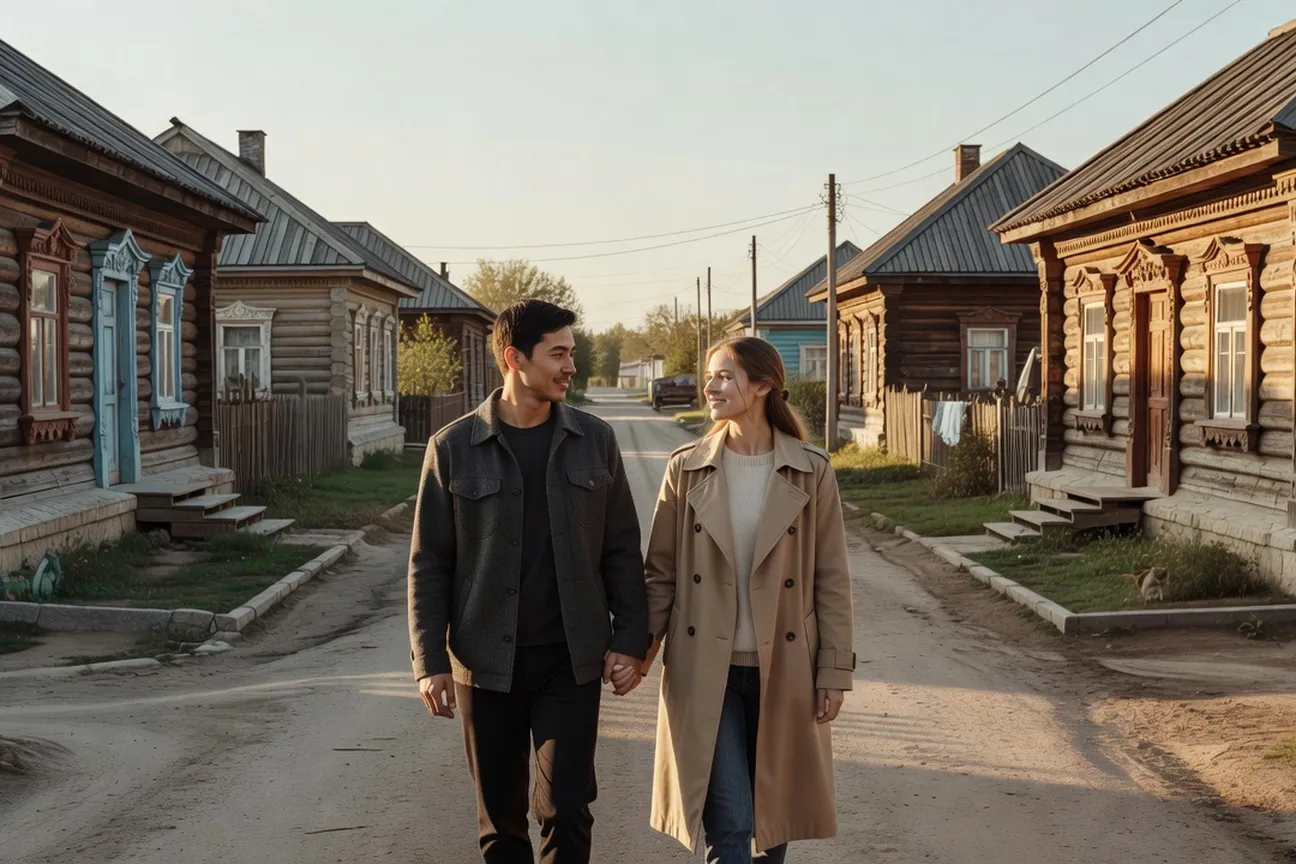
Regional cities, while offering fewer career opportunities in certain fields, provide a lower cost of living and a slower pace of life that many find appealing. These areas often boast strong community networks and a richer connection to Russian cultural traditions. For a couple, particularly one with diverse cultural backgrounds, this environment can offer a supportive and nurturing setting for building a family.
In making this decision, couples must weigh the pros and cons of each option, considering factors such as lifestyle preferences, career aspirations, and family planning. It’s also essential to consider the potential impact on their relationship dynamics and the ability to integrate into the local community. They should also explore resources like a guide to meeting Russian women for further insights into cultural integration.
A Realistic Case: Choosing Between Moscow and a Regional City
Consider the case of Anna and John, a couple who faced the decision of whether to live in Moscow or Yaroslavl, a regional city north of the capital. Anna, a native of Yaroslavl, grew up valuing close family ties and the slower pace of regional life. John, an expatriate from the UK, was initially drawn to the vibrant opportunities in Moscow’s financial sector.
After much deliberation, they decided to settle in Yaroslavl. For Anna, it meant being close to her family and maintaining the cultural traditions she cherished. For John, the decision was influenced by the desire for a more balanced lifestyle and the opportunity to experience authentic Russian culture.
This choice allowed them to benefit from a lower cost of living, enabling them to purchase a home and start a family with less financial strain. Moreover, John’s work in Moscow could be managed remotely, offering him the flexibility to enjoy both the professional opportunities of the city and the tranquility of regional life.
Their decision exemplifies how couples can successfully navigate the complexities of choosing between a metropolitan and regional lifestyle in Russia. By aligning their values and priorities, they were able to create a fulfilling life that meets both their personal and professional needs. They might also find support through services like the regional matchmaking agency network in France for cultural guidance.
For more detailed insights on meeting a Russian partner before making a regional or metropolitan choice, explore our guide to meeting Russian women, which covers cultural considerations that apply regardless of where a couple ultimately settles.
Frequently Asked Questions
Do most Russian women live in Moscow or Saint Petersburg?
No. Despite the international perception, only about 13 million of Russia's roughly 78 million women live in Moscow and Saint Petersburg combined. The large majority live in regional cities and towns across the Ural, Volga, Siberian, and Southern federal districts.
Is the lifestyle very different between Moscow and a regional Russian city?
Substantially. Moscow offers a fast-paced, internationally connected lifestyle with extensive services and entertainment, while regional cities generally offer a slower pace, tighter-knit communities, and stronger reliance on extended family networks for daily support.
Does a woman's regional origin affect her expectations in a relationship?
Often, yes. Women from regional Russia tend to place a higher value on family proximity and traditional gender-role discussions, while metropolitan women, especially in Moscow, are statistically more likely to prioritize career considerations equally with relationship goals.
Is it harder for a foreign spouse to adapt in regional Russia than in Moscow?
In some respects, yes, mainly due to fewer English-speaking services and a smaller expatriate community. In other respects, adaptation can be easier, since regional communities are often described as warmer and more genuinely curious about foreigners than the more transactional pace of Moscow.
Where should a mixed couple choose to live: metropolis or region?
There is no universal answer. Couples prioritizing career opportunities and international connectivity tend to choose Moscow or Saint Petersburg, while couples prioritizing cost of living, closer family ties, and a calmer pace often find regional cities such as Kazan or Krasnodar a better long-term fit.