 EN
EN ES
ES FR
FR RU
RU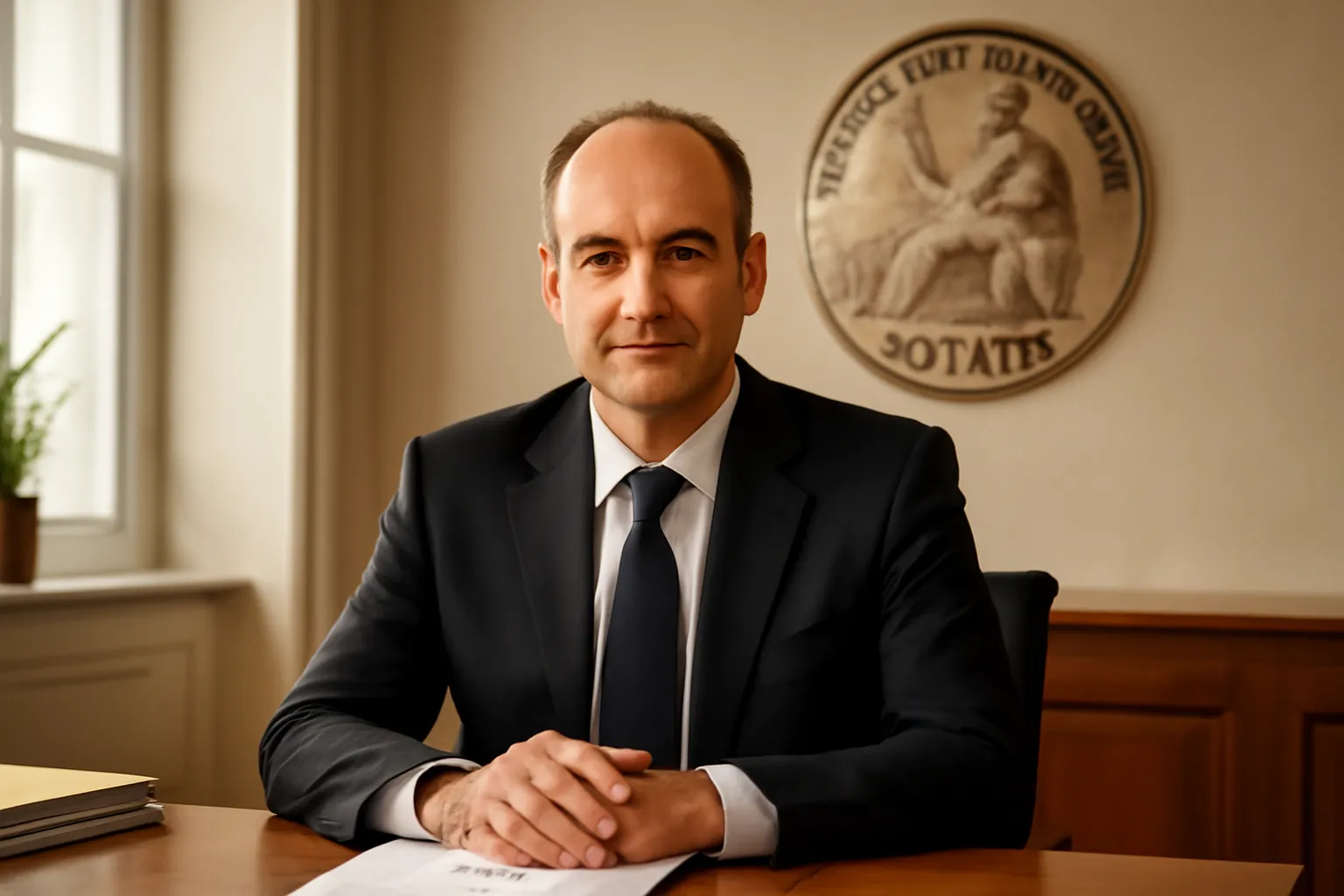
Marc Delannoy sits down with Julien Rocher, a notary based in Bordeaux with 19 years of experience in international patrimonial law. Specializing in cross-border matrimonial regimes and inheritance law between France and Russia, Rocher is here to share insights on the complexities Franco-Russian couples face regarding finances and patrimony.
Meet Julien Rocher: Notary Specialized in International Patrimonial Law
Marc Delannoy: Julien, could you start by telling us a bit about your background and your specialization in international patrimonial law?
Julien Rocher: Certainly, Marc. I’ve been a notary for nearly two decades, based in Bordeaux, and my specialization lies in the intricate web of international matrimonial regimes and inheritance laws, particularly between France and Russia. In practice, this involves helping Franco-Russian couples navigate the legal complexities of cross-border marriages. My role is to ensure that these couples understand the financial and patrimonial implications of their union, thus securing their financial future. With the global economy’s increasing interconnectedness, the need for specialized knowledge in different jurisdictions has never been more vital. For instance, a Franco-Russian couple might have assets in both countries, requiring an understanding of both French community property laws and Russian property separation norms. This dual understanding is crucial, as international marriages can face legal challenges without proper guidance.
Moreover, my experience has shown me that cultural differences can significantly influence financial decisions. For example, while French couples may prioritize joint investments, Russian partners might focus on individual asset protection. Understanding these nuances allows me to offer tailored advice that respects both legal and cultural contexts. Additionally, the complexities of managing international assets often mean that couples must be particularly vigilant about the legal frameworks that govern their financial decisions. This is especially true for those with multinational business interests or properties, where missteps can lead to substantial legal challenges. To further explore these complexities, our post-marriage legal procedures guide provides insights on navigating changes post-marriage, which is critical in maintaining legal and financial harmony.
Why Financial Planning Matters More in a Franco-Russian Couple
Marc Delannoy: Why is financial planning especially important for Franco-Russian couples?
Julien Rocher: Financial planning is crucial because these couples operate between two vastly different legal and economic systems. Let’s be clear — neglecting this planning can lead to significant financial and legal complications. For instance, currency fluctuations between the euro and the ruble can affect savings and investments. In the past year alone, the ruble has experienced volatility due to geopolitical tensions, impacting couples with cross-border financial interests. Furthermore, any assets acquired in either country may be subject to different tax obligations. This means comprehensive planning isn’t merely beneficial; it’s essential to avoid future disputes or financial losses. For an in-depth look at budgeting and financial management in these scenarios, our total cost of marrying a Russian woman budget guide can provide additional insights. Additionally, consider how tax treaties between France and Russia might influence your financial strategy — an often overlooked aspect that can lead to double taxation if not properly managed.
Another critical element is estate planning, which often requires navigating diverse legal landscapes. This complexity necessitates the involvement of professionals who can bridge the gap between different legal requirements and cultural expectations. Without such guidance, couples may find themselves entangled in legal disputes that could have been avoided with proper planning. Moreover, the implications of failing to plan for future financial stability can extend beyond the couple to affect their children and other dependents, making proactive financial strategies even more essential. In some cases, couples have discovered that not addressing these issues early on led to unexpected tax liabilities that significantly reduced their overall wealth in the long term.

Key takeaway: Thorough financial planning helps mitigate risks associated with currency fluctuations and differing tax obligations in international marriages.
Choosing a Matrimonial Regime Across Two Legal Systems
Marc Delannoy: How should Franco-Russian couples approach choosing a matrimonial regime?
Julien Rocher: Choosing a matrimonial regime is one of the most critical decisions for any couple, and even more so for Franco-Russian marriages due to the dual legal frameworks. The choice typically lies between community property and separation of property regimes. In France and Russia, matrimonial property regimes may differ. The decision should be informed by each partner’s financial situation and future expectations. For example, a French spouse who owns significant assets, like a family business, may prefer separation to ensure those assets remain protected. Conversely, if the Russian spouse plans to invest in French real estate, a community regime could simplify shared ownership. Our post-marriage legal procedures guide provides further details on navigating these decisions post-marriage. Moreover, understanding the implications of these regimes on potential spousal support and child maintenance, especially in cross-border situations, cannot be overstated.
In practice, I’ve seen cases where couples initially opt for a community property regime, only to switch later due to changes in financial circumstances or business ventures. This flexibility is an advantage but requires careful legal planning to avoid complications. Additionally, the choice of regime can profoundly impact how couples engage with their financial obligations and investments, both during the marriage and in the unfortunate event of a divorce. For example, a couple might find that their chosen regime complicates international investments, prompting a reevaluation of their initial decision.
| Regime Type | Description | Best Suited For |
|---|---|---|
| Community Property | All assets acquired during marriage are jointly owned. | Couples with similar financial situations. |
| Separation of Property | Each spouse retains ownership of individual assets acquired before/during marriage. | Couples with significant pre-marital assets. |
Joint Accounts vs Separate Finances: What Actually Works
Marc Delannoy: Joint accounts or separate finances — what do you recommend?
Julien Rocher: It often depends on the couple’s dynamic and financial goals. Joint accounts can simplify household finances and save on international transfer fees. However, maintaining separate accounts can promote financial independence and simplify matters if the marriage dissolves. Here is what actually happens: many couples opt for a hybrid approach — a joint account for shared expenses and individual accounts for personal spending. This method balances transparency with autonomy, accommodating both shared and individual financial responsibilities. For instance, a Franco-Russian couple living in Paris might use a joint account for rent and utilities while maintaining personal accounts for individual purchases. Additionally, consider the potential impacts on credit scores and financial privacy, aspects that are sometimes neglected in these discussions.
It’s important to note that financial habits often reflect cultural attitudes towards money. French partners might be more comfortable with joint accounts, reflecting a collective approach to finances, while Russian partners might value financial independence more, highlighting the importance of maintaining separate accounts for personal expenses. Furthermore, having a clear understanding of shared financial goals can prevent misunderstandings and foster a stronger partnership built on mutual respect and transparency. Cultural perspectives can significantly influence decisions, making it essential for couples to communicate openly about their financial expectations and boundaries.
Tip: Consider the hybrid approach — a joint account for shared expenses and separate accounts for personal finances — to balance transparency and autonomy.
Inheritance and Succession Rules Between France and Russia
Marc Delannoy: How do inheritance laws impact Franco-Russian couples?
Julien Rocher: Inheritance laws can be a complex hurdle for Franco-Russian couples, as France and Russia have different systems. In France, the forced heirship rule mandates that a portion of the estate must go to children, while Russian law is more flexible. Cross-border inheritances require careful planning to avoid legal conflicts and ensure that both jurisdictions’ laws are respected. For instance, setting up a will that is valid in both countries can help streamline the process and protect the interests of both spouses and their heirs. It’s not uncommon for a French spouse to have properties in Provence and a Russian partner to own apartments in Moscow; without a carefully crafted will, distributing these assets could become contentious. For further reading, consider our interview with a lawyer on Franco-Russian marriage residency rights. This situation underscores the importance of understanding the legal concept of ‘droit de prélèvement’, a French legal mechanism that allows heirs to settle inheritance disputes when foreign assets are involved.
Over the years, I’ve witnessed numerous cases where a lack of proper estate planning led to prolonged legal battles, draining both emotional and financial resources. Therefore, proactive legal measures are not just advisable but essential. Moreover, the evolving legal landscape means that couples must stay informed about changes in inheritance laws that could affect their estate planning strategies, ensuring their arrangements remain valid and enforceable across borders. Families often underestimate the emotional toll of these disputes, which can strain relationships and deplete resources meant for future generations. Long-term legal status also matters here: a foreign spouse’s inheritance and property rights can shift once they move beyond residency permits toward full citizenship, a path we map out step by step in our guide to Russian citizenship through marriage, from the RVP/VNZh sequence to dual nationality.
Protecting Real Estate Owned in Russia as a Foreign Spouse
Marc Delannoy: What should Franco-Russian couples know about real estate ownership in Russia?
Couples who want to define these property rules explicitly before marriage, rather than relying on the default regime, often turn to a prenuptial agreement recognized under Russian and French law.
Julien Rocher: Foreign spouses can legally own property in Russia, but there are specific considerations. Russian law allows foreign ownership of residential real estate, but restrictions apply to agricultural land. It’s crucial to understand these limitations and ensure that property ownership is correctly registered in both spouses’ names to protect rights. Moreover, a prenuptial agreement can further safeguard assets, especially in case of marital dissolution. For example, a Franco-Russian couple who invests in a dacha outside of Moscow should ensure that both names are on the title to avoid complications later. Additionally, understanding the cost of living in Russia through our relocation guide can provide more insights into property investments. It’s also essential to be aware of property tax obligations in Russia, which can significantly affect long-term financial planning.
In my experience, some couples have encountered issues when trying to sell or transfer property due to improper registration or lack of a prenuptial agreement. Ensuring all legal documents are in order from the outset can prevent such complications. Furthermore, understanding the nuances of Russian real estate law can offer strategic advantages in managing and expanding property portfolios, particularly for those looking to capitalize on the country’s diverse market opportunities. A well-documented property strategy can also enhance the couple’s ability to leverage their assets for future investments.
Checklist: Ensure property ownership is correctly registered, consider a prenuptial agreement, and be aware of land ownership restrictions in Russia.
Currency Risk and Cross-Border Money Transfers
Marc Delannoy: Can you explain the currency risks Franco-Russian couples face?
Sanctions-related banking friction has made this currency risk considerably harder to manage in practice; see our detailed interview on navigating international bank transfers under current sanctions for concrete workarounds.
Julien Rocher: Currency risk is a significant concern for these couples due to potential fluctuations between the euro and the ruble. This volatility can impact savings, investments, and day-to-day finances. To mitigate these risks, couples should consider hedging options or keeping a portion of their assets in stable currencies. Additionally, utilizing international banking services that offer favorable exchange rates and reduced transfer fees can minimize the financial impact of currency fluctuations. A couple living in Russia might keep their savings in euros, given the ruble’s instability, to ensure purchasing power remains consistent. Furthermore, incorporating financial products like forward contracts or options can provide additional security against currency swings.
I have seen instances where couples failed to take such precautions, resulting in substantial financial losses during periods of currency volatility. Therefore, proactive financial strategies are crucial to maintaining economic stability. Moreover, by understanding the intricacies of currency markets and leveraging financial tools designed to manage risk, couples can safeguard their financial assets against unpredictable economic shifts. This approach not only secures their current financial standing but also protects future investments from unnecessary risks.
Common mistake: Overlooking currency risks can lead to unexpected financial losses. Employ hedging strategies and choose banking services with favorable terms.
What Happens Financially in Case of Divorce
Marc Delannoy: What are the financial implications of divorce for Franco-Russian couples?
Julien Rocher: Divorce can be financially complex, especially when different legal systems are involved. Asset division will depend on the matrimonial regime chosen. In a community property regime, assets acquired during the marriage are split equally, while a separation regime allows individuals to retain their assets. Cross-border divorces may require legal proceedings in both countries, potentially leading to increased costs and time. For instance, a divorce initiated in France might require corresponding legal action in Russia to ensure all assets are accounted for. Therefore, understanding the legal procedures and potential outcomes is crucial before proceeding with a divorce — a subject also covered in detail in our interview with a lawyer on Franco-Russian marriage residency rights. Additionally, consider the potential impact on child custody arrangements, which can be influenced by differing legal standards in each country.
I always advise clients to consider the long-term financial implications of divorce, including potential alimony obligations and division of retirement accounts, which can vary significantly between France and Russia. Moreover, seeking legal counsel with expertise in international divorce proceedings can help navigate these challenging situations, ensuring that both parties’ rights are protected and that financial settlements are fair and equitable. A thorough understanding of each country’s legal framework can prevent surprises and support a more amicable resolution. This is also where pension planning deserves early attention — couples where one spouse relocates to Russia should understand how foreign pension and retirement rights are treated between France, Canada, and Russia well before retirement age, not after.
Common Financial Mistakes Franco-Russian Couples Make
Marc Delannoy: What common financial mistakes do these couples typically make?
Julien Rocher: One frequent mistake is failing to plan for currency fluctuations, which can erode savings. Another is not understanding the implications of different matrimonial regimes on asset division, which can lead to disputes. Additionally, neglecting to draft wills that comply with both French and Russian laws can complicate inheritance matters. It’s vital for couples to seek expert advice to navigate these complex financial landscapes effectively. For example, a couple might assume that a French will is automatically valid in Russia, which is not the case, potentially leading to legal challenges. Moreover, failing to update financial plans after significant life events, such as the birth of a child or the purchase of a new property, can also lead to unforeseen complications.
| Mistake | Impact |
|---|---|
| Ignoring currency fluctuations | Erosion of savings and investments. |
| Misunderstanding matrimonial regimes | Disputes over asset division in case of separation. |
| Lack of valid wills in both countries | Complications in inheritance and estate distribution. |
It’s also worth noting that many couples overlook the importance of regular financial reviews, which can help adjust strategies to changing circumstances and avoid common pitfalls. Additionally, considering cultural differences and financial priorities can enhance financial planning, ensuring that strategies align with both partners’ values and expectations. This holistic approach not only secures the couple’s financial standing but also strengthens their partnership by fostering trust and open communication. Couples who have weathered these financial adjustments over many years often describe the process candidly in our feature on a Franco-Russian couple’s ten years of marriage and the lessons they learned.

Quick-Fire Questions: Finances and Patrimony for Franco-Russian Couples
Marc Delannoy: Let’s wrap up with some quick-fire questions. True or False?
Julien Rocher: Of course.
-
Franco-Russian couples must have a prenuptial agreement.
- False. It’s not mandatory but advisable when significant assets are involved.
-
Foreigners cannot own property in Russia.
- False. Foreigners can own residential property but may face restrictions on agricultural land.
-
A separation of property regime is always better for international couples.
- False. While often recommended, the choice depends on individual financial circumstances.
-
Inheritance laws are the same in France and Russia.
- False. They differ significantly, especially regarding forced heirship rules in France.
-
Currency fluctuations don’t affect joint accounts.
- False. They can significantly impact any financial assets held across borders.
Marc Delannoy: Your final advice for Franco-Russian couples concerning finances and patrimony?
Julien Rocher: Certainly, Marc.
- Engage a Specialist Early: Consult with a notary familiar with international law to tailor financial plans to your unique needs.
- Draft Valid Wills: Ensure wills are legally binding in both France and Russia to streamline inheritance matters.
- Plan for Currency Volatility: Use hedging strategies and choose financial products that mitigate currency risk.
For those interested in further reading, the heritage patrimonial magazine of Paris and the wedding stationery and heritage magazine offer in-depth articles on managing cross-border relationships.
Frequently Asked Questions
Should a Franco-Russian couple sign a prenuptial agreement?
Not mandatory, but strongly recommended when either spouse owns real estate, a business, or significant assets before the marriage, especially given how differently France and Russia treat marital property by default. A prenuptial agreement drafted by a notary familiar with both systems avoids ambiguity if the couple later relocates between countries.
Can a foreign spouse legally own property in Russia?
Yes, foreign nationals can generally own residential real estate in Russia, with some restrictions near border zones and specific strategic areas. Ownership structure, individual name, joint name, or through a Russian legal entity, significantly affects taxation and what happens to the property in case of divorce or inheritance, so this should be planned before the purchase, not after.
What matrimonial regime is recommended for a Franco-Russian couple?
There is no universal answer, but many notaries recommend a regime of 'separation de biens' (separate property) when one partner has substantially more assets or when property is held in both countries, since it simplifies cross-border succession and avoids automatic community property claims that can conflict between French and Russian inheritance law.
How does inheritance work if one spouse dies while assets are split between France and Russia?
Cross-border succession is genuinely complex: French law and Russian law can both claim jurisdiction depending on residency, nationality, and asset location. The EU Succession Regulation does not apply to Russia, so a will drafted with international applicability in mind, ideally reviewed by both a French notary and a Russian legal advisor, is essential rather than optional.
What is the biggest financial mistake Franco-Russian couples make?
Delaying any formal financial conversation until after the wedding. Currency risk, differing attitudes toward saving and debt, and unclear expectations about supporting extended family back in Russia are the three recurring sources of conflict that a single pre-wedding conversation, ideally with professional guidance, could have prevented.