 EN
EN ES
ES FR
FR RU
RU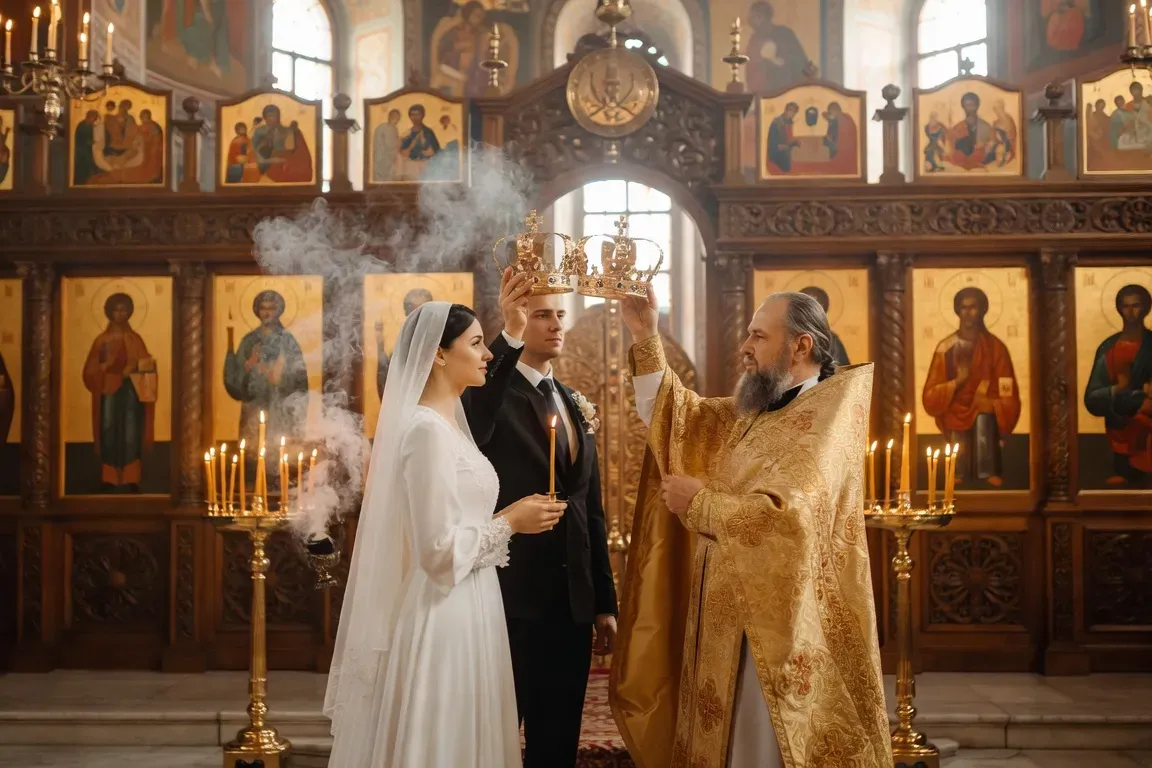
Russian Wedding Traditions in 2026: The Complete Orthodox Guide
Russian weddings are among the most elaborate and emotionally rich celebrations in the world. They blend centuries of Orthodox Christian ceremony, Slavic folk customs, Soviet-era traditions, and thoroughly modern touches into a celebration that can last two or three days and involve dozens of rituals. If you are a Western man who has met a Russian woman — perhaps through a dedicated Russian marriage agency guide 2026 or through personal connection — understanding these traditions is not just polite: it is essential to participating fully in one of the most important events of your partner’s life.
This guide covers every major stage of a Russian wedding in 2026, from the quiet intimacy of the engagement to the wild final hours of the banquet. It explains the meaning behind each ritual, the regional variations you may encounter, and practical advice for Western men navigating these celebrations for the first time.
The Russian Engagement: Zarucheniye
The formal engagement in Russia — zarucheniye — is a far more ceremonial affair than its Western equivalent. Traditionally, the groom’s parents would visit the bride’s family home to formally request her hand, a custom called svatovstvo (matchmaking). While this full-scale parental negotiation is rare in major cities today, its echoes persist: most Russian couples still involve both families early in the engagement process, and the formal introduction of the groom to the bride’s parents carries significant weight.
The proposal itself is taken seriously. Russian women generally expect a proper proposal on one knee, with a ring, often in a meaningful setting. Public proposals at restaurants or during travel have become popular, especially in Moscow and Saint Petersburg. The ring is presented on the right hand — in the Orthodox tradition, the wedding ring is worn on the right hand, not the left.
Once engaged, the couple typically hosts a small gathering of both families, the pomolvka, where the engagement is announced over a shared meal. This dinner establishes the first real connection between two families who may have very different backgrounds, values, and expectations. For a Western man marrying a Russian woman, this dinner is your first real test: bring flowers for the mother (an odd number, always), a bottle of quality wine or cognac for the father, and prepare to answer serious questions about your intentions, your work, and your family.
The engagement period in Russia is typically six months to a year, during which the bride’s family plays a major role in wedding planning. The mother of the bride is often the true orchestrator of the celebration. For couples specifically planning the church rite itself, our dedicated Orthodox wedding guide for mixed couples covers the crowning ceremony, godparents and church requirements in more depth than the civil traditions described here.
The Vykup Nevesty: Ransoming the Bride
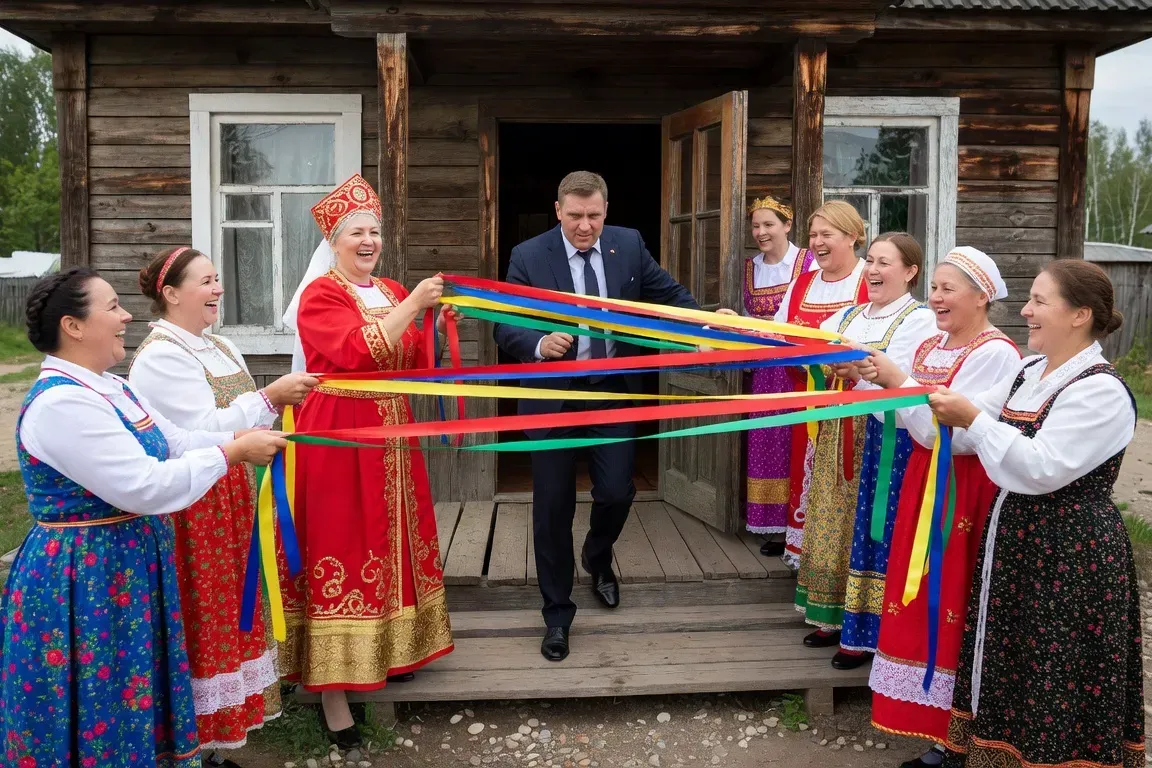
The vykup nevesty — literally “buyout of the bride” — is the most theatrical and laughter-filled moment of a Russian wedding day. It takes place at the bride’s home or apartment building before the civil ceremony, and it is emphatically not optional.
How it works: The groom arrives at the bride’s home with his druzh’ya (groomsmen). The bride’s friends (podrugi) and sometimes family members have barricaded the entrance and will only release the bride after the groom passes a series of challenges. These typically include:
- Trivia about the bride — naming her shoe size, favorite color, first meeting story. Wrong answers cost candy, chocolates, or small bills of money.
- Physical challenges — dancing, singing a love song, doing push-ups, or completing a puzzle.
- Romantic declarations — reciting a poem or improvising a heartfelt speech.
- Symbolic “fines” — paying ransoms in sweets or coins for access to different floors or doors.
The ritual is deliberately humiliating in a playful way. The groom is expected to struggle, to be embarrassed, and to ultimately triumph through persistence, humor, and the occasional generous bribe. The energy it creates sets the tone for the entire day — joyful, warm, and communal.
For Western men: throw yourself into it. Laugh at your mistakes. The bridesmaids are not trying to make you fail; they are giving you the opportunity to demonstrate that you love this woman enough to make a fool of yourself in front of everyone. That is exactly the point.
Tip: Your effort matters more than your success. A groom who fumbles every challenge but keeps smiling earns more goodwill from the bride’s family than one who breezes through with a translator whispering every answer.
Knowing how much does a Russian wedding cost beforehand helps you budget not just for the vykup sweets and symbolic payments, but for the many other financial aspects of this multi-day celebration.
| Vykup nevesty challenge | What it tests | Typical “penalty” if failed |
|---|---|---|
| Trivia about the bride | Knowledge of her life and preferences | Candy, chocolates, or small bills |
| Physical challenges | Willingness to look foolish in public | Extra push-ups or a repeat performance |
| Romantic declarations | Sincerity and effort | Reciting another poem or speech |
| Symbolic “fines” | Persistence at each door or floor | Sweets or coins paid to advance |
The Civil Ceremony: ZAGS
The ZAGS (Zapis’ Aktov Grazhdanskogo Sostoyaniya — Registry Office for Civil Status) ceremony is the legally binding marriage registration in Russia. Unlike in many Western countries where a religious ceremony can be legally binding, in Russia the ZAGS registration is always required, and it is always separate from any church blessing.
What to expect:
- The ceremony typically lasts 15–20 minutes in a dedicated wedding hall within the ZAGS building.
- A civil registrar officiates, reads the marriage declaration, and asks both parties for their consent.
- The couple exchanges rings (placed on the right hand in Russian custom).
- The registrar officially pronounces them husband and wife and presents the marriage certificate (svidetel’stvo o brake).
- Photographs and a brief champagne toast often follow in the ZAGS foyer.
ZAGS buildings vary enormously. The famous Griboyedov Palace of Weddings in Saint Petersburg is a baroque palace where couples feel like royalty. Many Moscow ZAGS offices are functional Soviet-era buildings dressed up with floral arrangements. In smaller cities, the ceremony may take place in a simple room with metal chairs. The couple usually personalizes the experience with their choice of music, decorations, and witnesses.
Witnesses: Each party must have one witness (svidetel’) — the best man and maid of honor equivalent — who signs the marriage register. For a Western man, you can serve as witness at a Russian wedding even without Russian language skills, as you only need to sign your name.
After ZAGS, the wedding party often embarks on a progulka — a photographic tour of the city’s landmarks. In Moscow, this means Red Square, Gorky Park, or the Moscow River embankments. In Saint Petersburg, the Palace Square and the Neva River. The entire wedding party, including guests who wish to join, follows the couple in decorated cars through the city. This can last two to four hours and produces the iconic wedding photographs that line Russian living rooms for generations.
The Orthodox Ceremony: Venchaniye
The venchaniye (Orthodox wedding crowning ceremony) is the spiritual heart of a traditional Russian wedding. Not all couples choose it — it requires both parties to be baptized Orthodox Christians and involves significant spiritual preparation — but for those who do, it is an experience of profound beauty.
Preparation: Before the ceremony, the couple must fast for several days, attend confession, and receive communion. The ceremony itself cannot take place on fast days, Tuesdays, Thursdays, or Saturdays (the rules vary slightly by diocese). The priest meets with the couple beforehand to explain the sacrament.
The ceremony structure: The venchaniye takes place in a Russian Orthodox church, usually lasting 45 minutes to one hour. It unfolds in two parts:
Obucheniye (betrothal): The priest blesses two rings and places them on the couple’s right hands, which are then exchanged three times between bride and groom to symbolize their unity.
Venchaniye proper: The priest places golden crowns (ventsy) over the heads of the bride and groom — held there by the best man and maid of honor, whose arms will ache before it is over. The crowns represent both royal dignity and the crown of martyrdom: marriage is understood as a path of joyful sacrifice for one another.
The couple drinks three times from a shared cup of wine (representing the sharing of life’s joys and sorrows), joins hands under the priest’s epitrachelion, and walks three times around the altar (analoy) to the singing of troparia. The entire congregation stands throughout — Orthodox churches have no pews.
For Western guests: Dress modestly. Women must cover their heads (a scarf is fine) and their shoulders and knees. Men wear long trousers. Do not cross in front of the iconostasis. Do not take photographs unless explicitly permitted by the priest. Standing for a full hour may be challenging — it is considered normal to leave briefly if needed, though staying for the complete ceremony shows great respect.
The Banquet: Gorko! and the Long Table
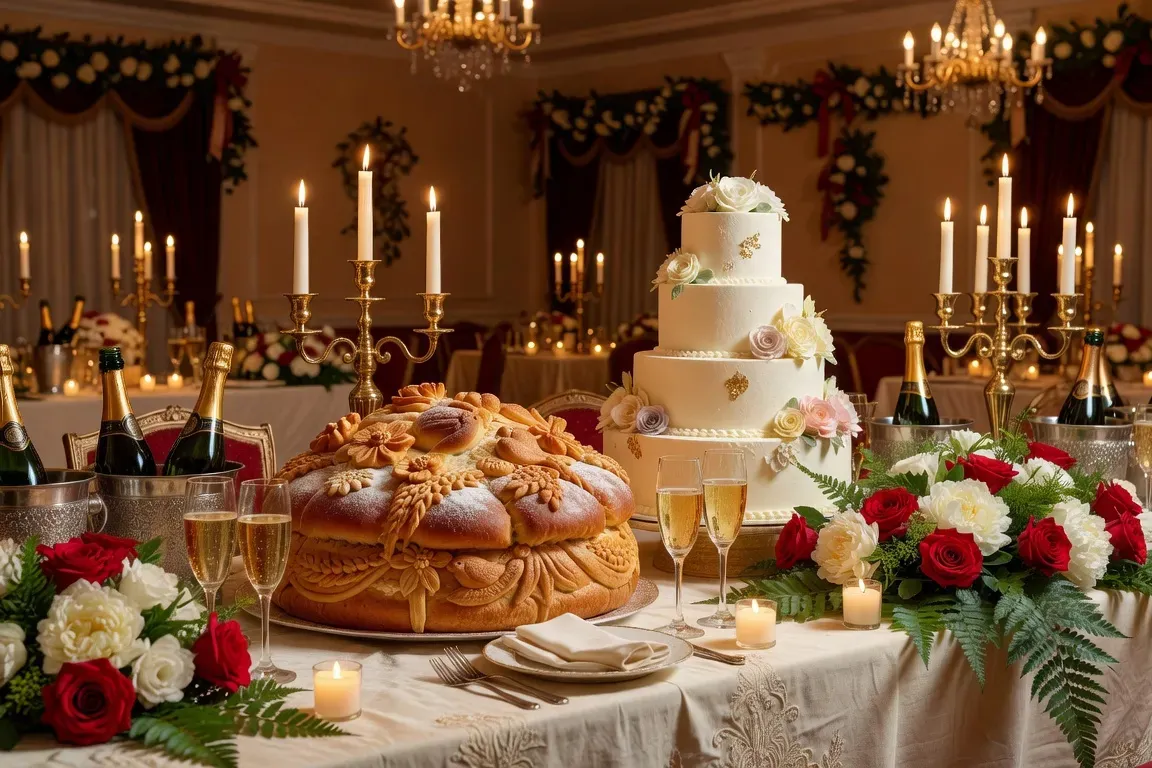
The Russian wedding banquet is a world unto itself. Lasting typically six to eight hours (from early evening until 2–4 AM), it is a theater of toasts, games, dances, and communal feasting that bears little resemblance to a Western wedding reception.
The table itself is an expression of abundance. Traditional spreads include olivye salad, seledka pod shuboi (herring under a fur coat), kholodets (aspic), buterbrody (open sandwiches with salmon or caviar), pickled vegetables, and elaborate meat dishes. The table is always set before guests arrive and should groan under the weight of food — an empty table is a sign of insufficient hospitality.
The tamada (toastmaster) is the master of ceremonies, a role taken extremely seriously in Russian wedding culture. The tamada orchestrates every toast, every game, and every moment of organized entertainment throughout the evening. A skilled tamada keeps the energy high and the guests engaged for hours. If the couple has hired a professional tamada, expect a meticulously planned evening.
ГОРЬКО! (Gor’ko!): This is the defining cry of a Russian wedding banquet. Guests shout “Gor’ko!” — meaning “bitter!” — demanding that the newlyweds kiss to “sweeten” the bitter vodka. The couple must kiss, and the guests count the seconds aloud. A long kiss earns applause and cheers. This will happen dozens of times throughout the evening. Embrace it.
Toasts: Russian wedding toasts are elaborate, often poetic, and can last several minutes. Each close family member and friend is expected to deliver a heartfelt speech. As a Western guest or participant, preparing a short toast in Russian (even just a few phrases) will be remembered and appreciated for years. The toastmaster usually gives Western guests extra latitude if they toast in their native language, but the effort of a few Russian words means everything.
Traditional games and competitions include tug-of-war between the families, dances, karaoke, and various challenges for the newlyweds. The “stealing of the bride” (krazha nevesty) is a popular banquet game where groomsmen must pay a ransom or complete challenges to retrieve the bride after bridesmaids playfully “kidnap” her.
Evening Traditions: Flames, Candles, and the Threshold
Beyond the banquet hall, Russian weddings carry a dense layer of protective rituals and superstitions, many of them rooted in pre-Christian Slavic culture absorbed and partially transformed by Orthodox Christianity.
Bread and salt (khleb-sol): Upon arriving at the couple’s new home or the reception venue, the groom’s mother greets the newlyweds with a round loaf of bread (karavai) topped with salt. The couple breaks off pieces and eats them — whoever gets the larger piece is said to be the future head of the household.
The threshold ritual: The groom carries the bride across the threshold of their new home, protecting her from evil spirits that are believed to lurk in doorways. This tradition survives robustly in both cities and rural areas.
Hair traditions: Before the wedding, the bride’s hair is traditionally worn loose as a symbol of her unmarried status. After the ceremony, her hair is braided and she receives a povoinik (married woman’s headpiece) or simply puts her hair up — symbolizing the transition to married womanhood. This ritual is increasingly symbolic rather than strictly observed, but many brides incorporate it into their getting-ready ceremony.
Candles and the evil eye: Candles carried during the venchaniye are kept and lit during difficult moments in marriage. Pins are sometimes hidden in the bride’s bouquet or dress to ward off the evil eye (sglaz). In more traditional families, the groom’s mother may perform a ritual cleansing with bread and salt before the ceremony.
Tossing the bouquet: Borrowed from Western practice, this is now common in Russian weddings but is often preceded by a Russian alternative: the bride removes her garter or a decorative ribbon from her bouquet and tosses it to the unmarried women.
Symbols and Superstitions
Russian wedding superstition is a rich and complex system. Understanding even a few key rules will help you navigate the day without accidentally offending anyone.
Colors: The bride’s dress is almost universally white, though gold and ivory are acceptable. Red accents are traditional in folk weddings. Black is completely forbidden for guests — it is the color of mourning. Red is powerful but can attract attention; if in doubt, deep blue, green, or burgundy are safe choices.
Mirrors: The bride should not look in a mirror wearing her complete bridal outfit before the ceremony. If she must, she traditionally removes one glove or earring before looking.
Rain on the wedding day is considered excellent luck — a sign of prosperity and a fertile marriage. Russian guests will cheerfully tell a couple caught in a downpour that they are blessed.
Dropping the rings is a bad omen. If a ring drops during the exchange, the marriage will face difficulties. The ring is usually retrieved without comment and the ceremony continues, but some families quietly note it.
Even versus odd: Flowers must always be given in odd numbers. An even number of flowers is strictly for funerals and graves.
Common mistake: Bringing an even number of flowers to the bride’s mother or to the wedding itself. Always count before you buy — this single detail can cause real embarrassment even when every other gesture is thoughtful.
| Symbol / Superstition | Meaning | What to do |
|---|---|---|
| Black clothing | Associated with mourning | Avoid entirely; choose deep blue, green, or burgundy instead |
| Even number of flowers | Reserved for funerals and graves | Always give an odd number |
| Bride viewing herself fully dressed in a mirror | Considered bad luck before the ceremony | Remove one glove or earring first if unavoidable |
| Rain on the wedding day | Sign of prosperity and a fertile marriage | Celebrate it, do not apologize for it |
| Dropped ring during the exchange | Omen of future difficulties | Retrieve quietly and continue the ceremony |
Regional Differences: Moscow, Siberia, and the Caucasus
Russia is vast, and wedding traditions vary dramatically by geography, ethnicity, and level of urbanization.
Moscow and Saint Petersburg: Urban weddings in the major cities tend to be sleek, expensive, and internationally influenced. The vykup nevesty may be abbreviated or playfully abbreviated. The venue is likely a chic restaurant or event hall. Western music, photobooth stations, and wedding planners are standard. The Orthodox ceremony is more likely to be chosen as a meaningful spiritual statement than pure tradition. International guests are common and well-accommodated.
Provincial Russia and the Volga region: Traditions are observed more strictly. The tamada plays a more central role. The banquet may genuinely last three days with the second day (pokhmelye — “hangover day”) being an informal continuation. Guests bring more elaborate home-cooked dishes rather than catered food. The vykup nevesty is taken very seriously and can be quite physically demanding for the groom.
Siberia: Siberian weddings combine Russian Orthodox traditions with indigenous influences in some communities. The celebrations are known for their warmth despite the climate — the hospitality is legendary. Folk costumes and traditional dances may appear even at otherwise modern celebrations. The communal aspect is paramount: neighbors and extended family who have not been formally invited often drop by to congratulate the couple.
The Caucasus (Dagestan, Chechen regions, North Ossetia): Where Muslim or Orthodox traditions from Caucasian ethnic groups are present, weddings take on a very different character. Segregated celebrations (men and women in separate spaces) are common in Muslim communities. The music shifts to lezginka and other Caucasian dances. Wedding gifts are often displayed publicly. These celebrations are among the most physically energetic and musically spectacular in the country.
For men considering where to meet and eventually marry a Russian woman, knowing the regional character of your partner’s hometown is important. A woman from Kazan may have different expectations than one from Moscow or Vladivostok. Reading about the best Russian cities to meet a bride can give you valuable context about regional culture and family values before you even begin wedding planning.
How a Western Man Can Participate in a Russian Wedding
You do not need to be Russian to participate fully and gracefully in a Russian wedding. What you need is respect, humor, and preparation.
Learn key phrases in Russian. Even imperfect Russian delights Russian families enormously. At minimum, learn:
- Gorko! (the wedding cheer)
- Za molodykh! (To the newlyweds! — a toast)
- Pozdravljaju! (Congratulations!)
- Spasibo (Thank you)
- Ochen’ priyatno (Very pleased to meet you)
Participate in every ritual willingly. Do not stand back from the vykup nevesty, the toasting games, or the dancing. Russian families interpret reluctance as coldness or arrogance. Even if you look foolish, your willingness communicates warmth and genuine inclusion.
Pace yourself at the table. Russian hospitality means your glass will be refilled constantly and offers of food will never stop. It is entirely acceptable to leave food on your plate and to slow your drinking — the critical thing is to always raise your glass during toasts, even if you barely sip. Saying ya za rulem (I’m driving) is a universally accepted excuse to drink juice or water.
Work with a trusted agency. Navigating the cultural complexity of an international marriage — from the first meeting through the wedding traditions and ultimately to legal immigration — is far smoother with professional support. The agence matrimoniale franco-russe CQMI specializes in helping Western men build genuine, lasting relationships with Russian and Eastern European women, providing cultural coaching alongside matchmaking services.
Bring a thoughtful gift. A bottle of exceptional wine or spirits from your home country is always appreciated. So is a framed photograph or artisan product that represents where you come from. The gesture of bringing something uniquely “from your world” is received as an act of sharing, which is deeply valued in Russian culture. For a sense of how these first-year adjustments evolve over an entire marriage, our feature on what a Franco-Russian couple learned after 10 years of marriage offers a longer-view perspective beyond the wedding day itself.
For French-speaking men exploring these connections in Europe, resources like rencontres slaves en France offer additional community and guidance for those navigating relationships with Slavic women from a French cultural base.
Understand the immigration path early. If your wedding to a Russian citizen takes place in Russia, you will need to understand the visa implications for bringing your wife to your home country. The K-1 visa for Russian fiancée process (for Americans) or equivalent spousal visa processes in Europe require careful documentation and realistic timelines. Starting this research before the wedding date — not after — saves significant stress.
Frequently Asked Questions
How long does a traditional Russian wedding typically last? A full traditional Russian wedding spans two to three days. The first day covers the ZAGS civil ceremony, the vykup nevesty ransoming ritual, and the main banquet which can run until 3–4 AM. The second day usually involves informal celebrations at home or a restaurant, with guests in more casual attire. Some families in rural areas or the Caucasus region extend festivities to a third day.
Is the Orthodox ceremony mandatory for Russian couples getting married? No. In Russia, only the civil ceremony at the ZAGS registry office is legally binding. The Orthodox church ceremony (venchaniye) is entirely optional and chosen for religious or cultural reasons. Surveys show that roughly 20–25% of Russian couples choose a church blessing alongside the civil registration, though the trend is slowly growing among younger generations seeking meaningful traditions.
What should a Western man wear to a Russian wedding? A dark suit (navy, charcoal, or black) with a tie is the standard for male guests. Russians tend to dress more formally than Western Europeans for weddings — avoid business casual or smart casual. If you are part of the wedding party or close family, coordinate with the bride and groom, as Russian wedding parties often match colors.
What gifts are appropriate at a Russian wedding? Cash gifts are by far the most common and appreciated present at Russian weddings. Guests typically give an envelope with a sum that covers their share of the banquet cost plus a symbolic extra amount as a wish of prosperity. Physical gifts are less common but household items, crystal, or art are acceptable. Avoid giving an even number of flowers — odd numbers are for celebrations, even numbers are for funerals.
How do I participate in the vykup nevesty if I don’t speak Russian? The vykup nevesty is a playful ritual where the groom and his friends must complete humorous challenges to “win” the bride. If you don’t speak Russian, the bridesmaids will almost always have visual challenges ready — singing, dancing, answering questions about the bride, or paying symbolic fines in candy or small bills. Embrace it with good humor; your effort matters far more than your language skills.
The proposal itself is a critical step before any wedding: read our cultural guide to proposing to a Russian woman before making the gesture.
Frequently Asked Questions
How long does a traditional Russian wedding typically last?
A full traditional Russian wedding spans two to three days. The first day covers the ZAGS civil ceremony, the vykup nevesty ransoming ritual, and the main banquet which can run until 3–4 AM. The second day usually involves informal celebrations at home or a restaurant, with guests in more casual attire. Some families in rural areas or the Caucasus region extend festivities to a third day.
Is the Orthodox ceremony mandatory for Russian couples getting married?
No. In Russia, only the civil ceremony at the ZAGS registry office is legally binding. The Orthodox church ceremony (venchaniye) is entirely optional and chosen for religious or cultural reasons. Surveys show that roughly 20–25% of Russian couples choose a church blessing alongside the civil registration, though the trend is slowly growing among younger generations seeking meaningful traditions.
What should a Western man wear to a Russian wedding?
A dark suit (navy, charcoal, or black) with a tie is the standard for male guests. Russians tend to dress more formally than Western Europeans for weddings — avoid business casual or smart casual. If you are part of the wedding party or close family, coordinate with the bride and groom, as Russian wedding parties often match colors. Women guests typically wear elegant cocktail dresses; flat shoes are discouraged as height is associated with elegance in Russian wedding culture.
What gifts are appropriate at a Russian wedding?
Cash gifts are by far the most common and appreciated present at Russian weddings. Guests typically give an envelope with a sum that covers their share of the banquet cost plus a symbolic extra amount as a wish of prosperity. The envelope is handed to the toastmaster (tamada) or placed in a decorated box. Physical gifts are less common but household items, crystal, or art are acceptable. Avoid giving an even number of flowers — odd numbers are for celebrations, even numbers are for funerals.
How do I participate in the vykup nevesty if I don't speak Russian?
The vykup nevesty (bride ransoming) is a playful ritual where the groom and his friends must complete humorous challenges to 'win' the bride from her friends and family. If you don't speak Russian, the bridesmaids will almost always have some fun visual challenges ready — singing, dancing, answering questions about the bride, or paying symbolic fines in candy or small bills. Embrace it with good humor; your effort matters far more than your language skills. Having a bilingual friend nearby to translate helps enormously.