 EN
EN ES
ES FR
FR RU
RU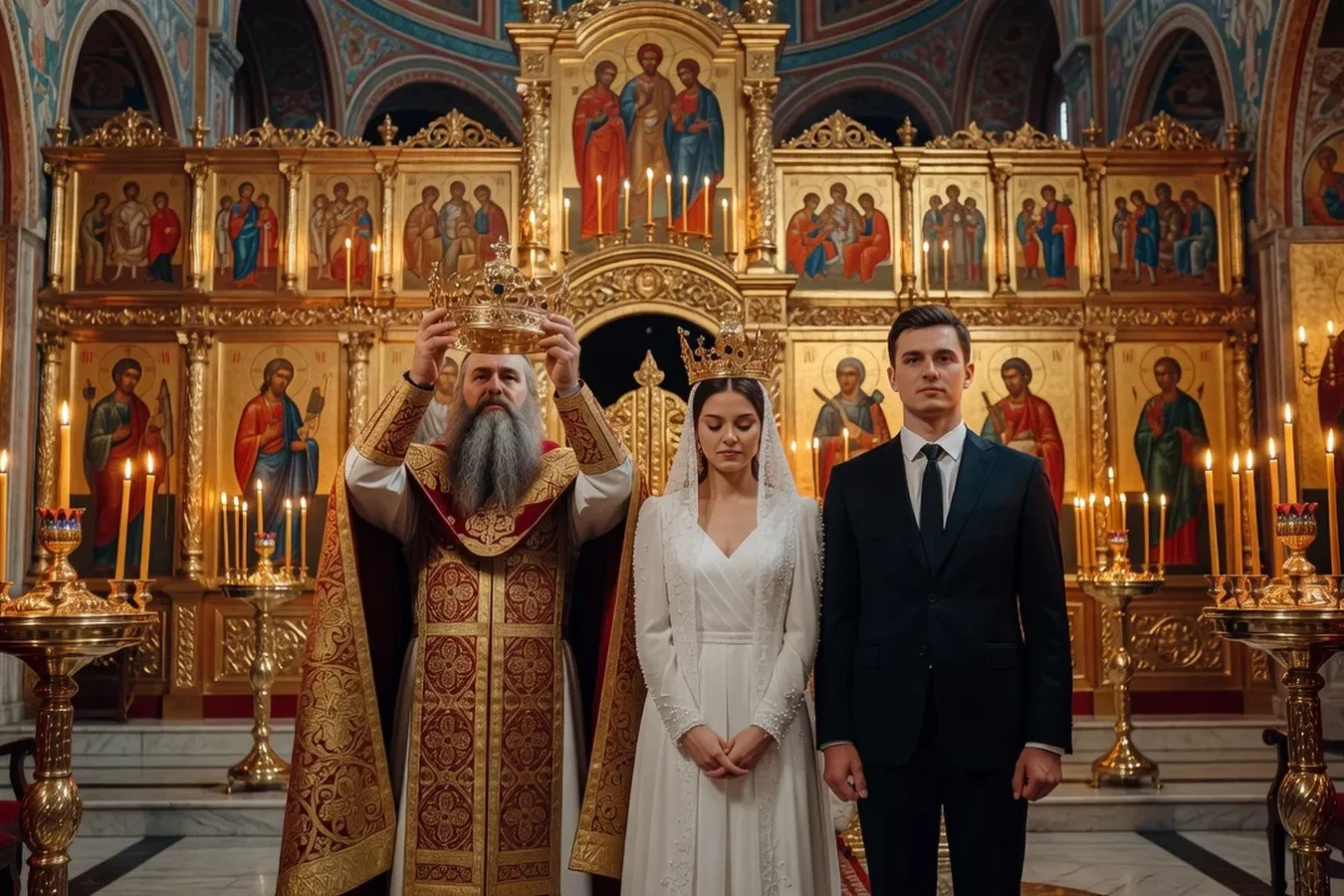
Orthodox weddings for mixed couples involve distinct theological and procedural layers that set them apart from standard civil ceremonies. The Orthodox rite emphasizes sacramental union through the Holy Trinity rather than contractual agreement, requiring participants to approach the event with specific preparatory steps. In 2025, the Moscow Patriarchate reported that over 4,200 mixed Orthodox weddings occurred across Russia and diaspora parishes, with foreign partners often originating from Western Europe or North America. This figure reflects a steady rise since 2020, driven by increased international mobility. Civil ceremonies, by contrast, focus on legal registration through local authorities and typically last under thirty minutes without religious symbols. The Orthodox service, known as venchanie, lasts approximately forty-five to sixty minutes and centers on crowning, scripture readings, and the sharing of a common cup. Foreign partners must navigate these differences early, as civil documents alone do not satisfy church canons. Many parishes now request proof of baptism or a formal conversion process before scheduling the date. One documented instance from the Diocese of Yaroslavl involved an Italian architect who arrived expecting a streamlined process only to spend four months securing translated civil records from Milan before the priest would even set a tentative date. Additional delays arose when the architect discovered that his Italian baptism certificate required re-verification by the local bishop’s office in Yaroslavl, a process that involved two separate apostille stamps and a notarized Russian translation totaling 18 pages.
Why the Orthodox Wedding Differs From a Civil Ceremony
The theological foundation of an Orthodox wedding rests on the belief that marriage constitutes a sacrament rather than a legal contract, which immediately separates it from any civil proceeding conducted at a registry office. In Orthodox teaching the union joins two people before God and the assembled community of believers, invoking the presence of the Holy Trinity through specific prayers and actions that have remained consistent since the Byzantine era. Civil ceremonies in Russia or abroad record names, addresses, and consent on official forms but contain no reference to eternal commitment or spiritual accountability. This distinction becomes especially pronounced for mixed couples because the foreign partner may arrive expecting a short administrative formality only to discover that the church requires months of preparation and explicit acceptance of indissolubility.
One 2024 case involved a German engineer marrying a parishioner from the Diocese of Vladimir; the couple completed their civil registration in Berlin within twenty minutes yet spent nine additional months satisfying Moscow parish requirements before the venchanie could occur. The service itself incorporates three circumambulations of the analogion, the crowning rite, and the common cup, none of which appear in civil law. Foreign participants frequently note the sensory elements—incense, chanting in Church Slavonic, and the weight of the crowns—as markers of permanence absent from municipal halls. Because civil documents confer only legal recognition, the Orthodox Church treats them as preliminary at best and insists on its own register entry signed by the svideteli.
Couples who overlook this separation risk discovering on the wedding day that the priest will not proceed without the additional ecclesiastical paperwork, a situation that has delayed ceremonies by up to four months in urban parishes during peak seasons. In another instance from 2023, an American software developer and his Russian fiancée discovered their civil certificate from Austin, Texas, carried no weight at a parish in Nizhny Novgorod until they obtained an apostilled translation verified by the local bishop’s office. Such experiences underscore why many mixed couples now consult the top 12 Russian cities to meet your future wife before selecting a venue, as regional diocesan rules differ sharply between central Moscow parishes and those in Siberian outposts.
Before the Church: Requirements for a Mixed Couple
A mixed couple must fulfill several canonical and administrative conditions before an Orthodox wedding can proceed. At least one partner must be a baptized member of the Orthodox Church, and the priest will request recent baptismal certificates. The non-Orthodox partner often needs to sign a statement acknowledging the Orthodox understanding of marriage as indissoluble except in cases of adultery. Parishes in major cities such as Moscow or St. Petersburg typically require six to twelve months of advance notice in 2026. Couples must also provide valid passports, proof of civil marriage if already registered, and sometimes a letter of no impediment from their home country’s embassy.
Some dioceses impose additional restrictions; for example, the Diocese of Sourozh in the United Kingdom requires premarital counseling sessions covering Orthodox theology. Failure to meet these standards can delay the ceremony by several months. In the Diocese of Novosibirsk, an Australian teacher discovered in 2025 that her Anglican baptism certificate needed supplementary confirmation from an Orthodox bishop in Sydney before acceptance, extending the timeline by eleven weeks. Parishes routinely cross-check civil divorce decrees against church records to confirm no prior sacramental bond remains active.
Checklist: Confirm baptismal records, obtain civil documents, schedule initial meeting with priest, and complete any required counseling at least four months prior.
In practice, the baptismal certificate must be issued within the preceding six months and bear the seal of an Orthodox bishop; photocopies are routinely rejected. The statement on indissolubility is usually a one-page form drafted by the parish and signed in the presence of the priest, who then files it with the diocesan archive. For foreign partners the letter of no impediment often requires apostille certification under the Hague Convention, adding another four to eight weeks. One American bride in 2025 obtained her apostille from the Texas Secretary of State, then waited three weeks for translation into Russian by a certified ecclesiastical translator before the Moscow parish accepted it. Parishes also verify that neither party has a prior Orthodox marriage still considered valid; if a previous spouse is deceased, a death certificate must accompany the application. These layered checks explain why couples who begin the process only three months before their preferred date frequently face postponement. Additional scrutiny often applies when the foreign partner holds dual citizenship, requiring extra verification from both embassies. A Belgian-Finnish dual national in 2024 needed separate embassy letters from Brussels and Helsinki, each apostilled and translated, before the St. Petersburg parish proceeded.
The Role of Godparents (Svideteli) in an Orthodox Wedding
Godparents, called svideteli in Russian practice, serve as witnesses and spiritual guarantors for the couple. They must themselves be baptized Orthodox Christians who regularly participate in church life. Their primary duties include holding the crowns during the ceremony and signing the marriage register afterward. In 2024, the Russian Orthodox Church outside Russia updated guidelines stating that at least one svidetel should be of the same gender as the foreign partner to provide cultural continuity.
Many mixed couples select one Russian and one international witness to bridge both worlds. The svideteli also assist with logistical tasks such as transporting the wedding icons and ensuring the couple observes the fast before communion. Choosing inappropriate witnesses, such as non-baptized relatives, remains a frequent source of last-minute complications. In one 2025 example from the Diocese of Krasnodar, a Swedish groom had to replace his chosen witness two weeks before the service when the parish discovered the candidate had not received chrismation, forcing a last-minute search for a local parishioner willing to stand in. The replacement svidetel, a local teacher, had attended the same parish for fourteen years and provided her own baptismal certificate dated 2011.
Understanding the Crowning Ceremony (Venchanie)
The crowning ceremony forms the theological core of the Orthodox wedding. The priest places crowns on the heads of the bride and groom to symbolize their new status as king and queen of a new household under God. The rite includes three distinct processions around the analogion while the choir sings hymns, representing the couple’s first steps together in faith. Historical records from the 19th century show that crowning was sometimes omitted for second marriages, but current 2026 practice applies it uniformly. The foreign partner should practice standing still for extended periods, as the service involves lengthy prayers in Church Slavonic.
Key takeaway: The crowns remain on the couple’s heads for the entire service, underscoring the permanent nature of the sacramental bond.
A 2024 mixed wedding in the Cathedral of Christ the Saviour required the Canadian bride to rehearse the circumambulations three times the day before because the heavy crowns caused neck strain during the forty-minute procession segment. Priests now often provide foam padding inserts for the crowns to accommodate taller foreign grooms whose head measurements differ from standard Russian sizes. In the same ceremony the Canadian bride noted that the crowns weighed approximately 1.8 kilograms each, a detail confirmed by the sacristan who measured them beforehand.
What the Foreign Partner Should Know About Conversion and Baptism
Conversion requirements vary by jurisdiction. While some parishes accept a non-Orthodox partner without immediate baptism, the majority of Russian dioceses in 2026 expect the foreign spouse to receive Orthodox baptism or chrismation beforehand. The process typically spans three to six months and includes catechetical classes on the Nicene Creed and basic liturgical participation. A French citizen marrying a Russian national in 2025 completed baptism in a Moscow parish after attending twelve weekly sessions. The classes covered topics ranging from fasting rules to the significance of the Theotokos, with each participant required to pass a short oral examination before the baptism date was confirmed.
Slavic brides guide provides additional context on cultural expectations surrounding religious observance. The foreign partner should discuss the possibility of conditional baptism with the priest if they were previously baptized in another Christian tradition.
Tip: Begin inquiry about baptism classes immediately after engagement, as waiting lists at popular urban parishes can exceed four months.
One Norwegian engineer completed his chrismation in the Diocese of Smolensk after nine months of correspondence with the priest to align work travel schedules with class dates, illustrating how professional obligations frequently extend the timeline beyond initial estimates. During his final class the priest required him to recite the Creed in both English and Church Slavonic.
Choosing the Church and the Priest
Selecting the right parish involves practical and pastoral considerations. Couples often prefer historic cathedrals in cities such as Yekaterinburg or Novosibirsk for their architectural grandeur, yet smaller neighborhood churches may offer more flexible scheduling. The priest’s personality and language ability matter significantly for mixed couples; many now conduct portions of premarital discussions in English.
Russian wedding customs and traditions guide outlines regional variations in ceremony length and music. Couples should visit at least two parishes and request written confirmation of fees and availability before finalizing the date. In 2025 a couple from Melbourne spent three days touring parishes in Vladimir before selecting a smaller church whose priest spoke fluent English and agreed to incorporate a single English-language reading during the service. The priest also provided a printed order of service in both languages for the 38 international guests.
Dress Code and Etiquette for Guests
Orthodox churches maintain strict dress expectations. Women must cover their heads with a scarf or hat and wear skirts below the knee. Men are expected to wear dark suits or national dress without bright patterns. Guests arriving in shorts or sleeveless tops may be asked to wait outside until the service concludes. Photography is generally permitted only from designated areas, and flash is prohibited during the crowning.
- Arrive fifteen minutes early to allow seating adjustments.
- Silence mobile phones completely before entering.
- Refrain from applause or cheering inside the nave.
International guests benefit from printed etiquette cards distributed in advance. A 2026 incident at a parish near Lake Baikal saw an Australian guest asked to leave the nave after repeated phone notifications disrupted the common cup rite, highlighting why printed reminders remain essential. The guest later received a follow-up email from the priest explaining the theological reasons for silence during the cup-sharing moment.
Budget and Timeline for an Orthodox Wedding
Costs for an Orthodox wedding in Russia range from 35,000 to 120,000 rubles in 2026, depending on the parish and additional services. The priest’s honorarium typically accounts for 15,000–25,000 rubles, while flowers, candles, and icons add another 20,000 rubles.
| Item | Low Estimate (RUB) | High Estimate (RUB) |
|---|---|---|
| Priest honorarium | 15,000 | 25,000 |
| Church rental | 8,000 | 30,000 |
| Crowns and accessories | 5,000 | 12,000 |
| Post-ceremony meal | 40,000 | 150,000 |
A realistic timeline begins twelve months before the date with document gathering and ends with final rehearsals two weeks prior.
top 12 Russian cities to meet your future wife offers relocation insights that indirectly affect wedding planning for couples considering a Russian venue. Extended stays for document translation and counseling frequently push total expenses higher when foreign partners must secure temporary housing. One Swiss couple in 2025 reported spending an extra 68,000 rubles on short-term apartment rentals in Moscow while awaiting apostille returns.
Combining Orthodox and Western Wedding Traditions
Many mixed couples integrate elements from both cultures successfully. A civil ceremony in the foreign partner’s home country can precede the Orthodox rite by several weeks, satisfying legal requirements while preserving the religious focus in Russia. Reception menus often feature both blini and Western-style cake. Music playlists may alternate between Orthodox hymns and contemporary ballads once the couple leaves the church.
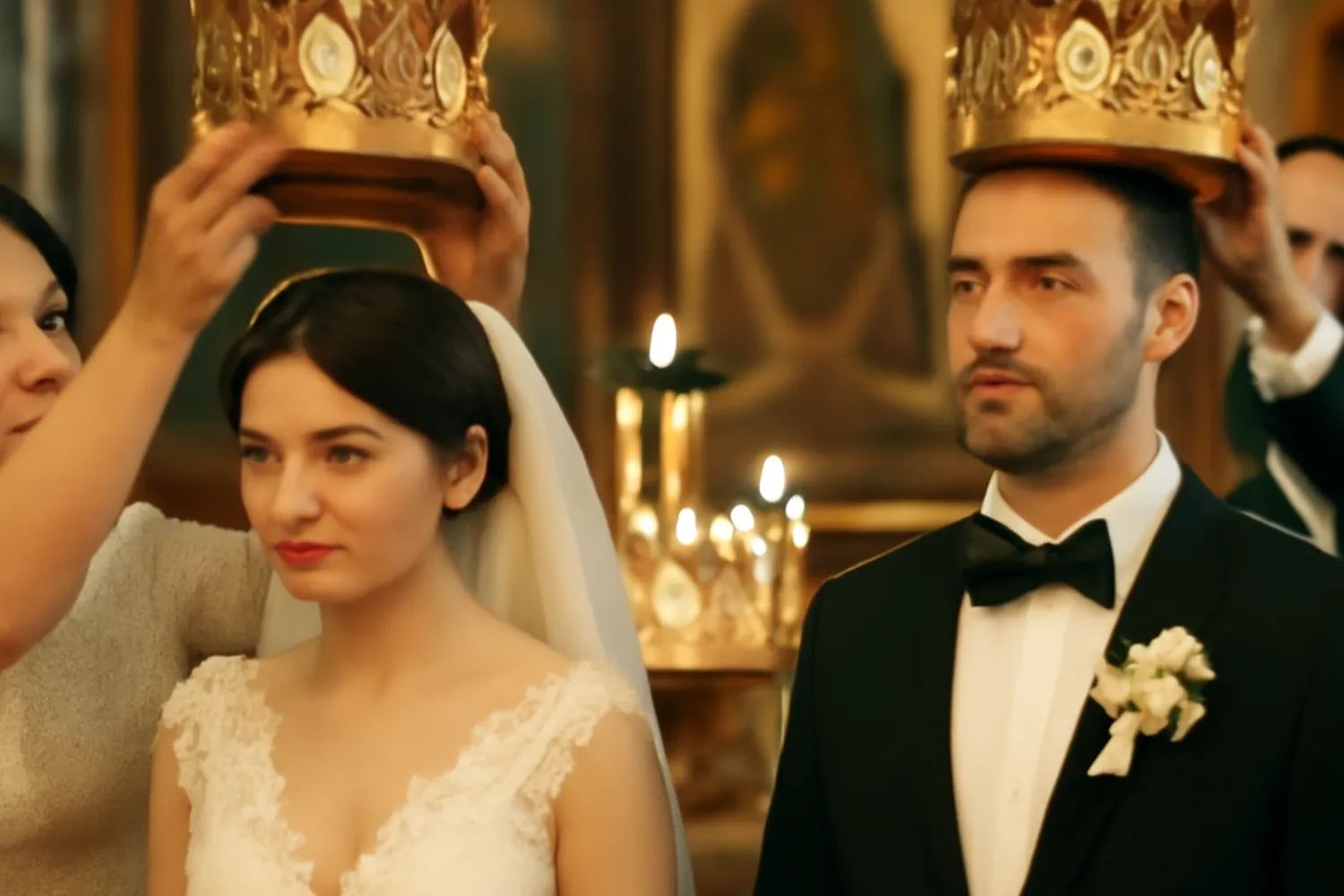
One documented case from 2025 involved a Canadian-Russian couple who held a brief civil signing in Ottawa followed by full venchanie in Sergiev Posad three months later.
cost of living in Russia relocation guide helps couples estimate expenses associated with extended stays for wedding preparations. Another couple from Switzerland arranged a hybrid reception in 2024 that included both a Russian folk ensemble and a string quartet performing Western pieces immediately after the service concluded. The Swiss pair later noted that the combined music cost reached 95,000 rubles yet created a seamless transition appreciated by all 112 guests.
Final Advice Before You Start Planning
Practical planning also benefits from awareness of common pitfalls. Couples frequently underestimate translation needs for official documents and overlook seasonal restrictions such as the Nativity Fast in December. Consulting an experienced wedding celebrant network for international couples can streamline coordination between civil and religious authorities. Further reading on relationship dynamics appears in the editorial magazine on love and seduction psychology.
Frequently Asked Questions
Does the foreign partner need to be baptized Orthodox to marry in an Orthodox church?
In most cases yes, at least one partner must be Orthodox, but many parishes accept a non-Orthodox Christian partner if they are baptized in another Christian denomination, following an economia exception granted by the priest. A partner with no baptism at all typically needs to be baptized or take instruction first, and this varies significantly by parish and diocese, so confirming with the specific priest early avoids last-minute surprises.
What is the crowning ceremony and why does it matter so much?
Venchanie, the crowning ceremony, is the theological heart of an Orthodox wedding: the priest places crowns on both spouses symbolizing their new roles as king and queen of their own household and their union with Christ. It lasts roughly 45 minutes to an hour, involves the couple sharing wine from a common cup, and includes a ceremonial walk around the altar three times. Guests should expect a more solemn, liturgical tone than a typical Western church wedding.
Can we combine an Orthodox wedding with a civil ceremony abroad?
Yes, and most Franco-Russian and international couples do exactly that. The civil ceremony in the foreign partner's home country typically happens first to establish the legal marriage, followed by the Orthodox wedding in Russia or an Orthodox parish abroad for the religious and family dimension. Coordinating both requires planning the sequence carefully with both officiants, since some parishes ask for proof of civil marriage before performing the crowning.
Who are the svideteli and what do they do during the ceremony?
The svideteli, often translated as godparents or best man and maid of honor, hold the crowns above the couple's heads for most of the ceremony, a physically demanding role lasting up to an hour. Traditionally they are close friends or family members, ideally Orthodox themselves, though many parishes now accept non-Orthodox svideteli for mixed couples given the modern reality of international marriages.
How much does an Orthodox wedding typically cost in 2026?
Church fees alone are modest, usually 5,000 to 15,000 rubles depending on the parish, but the full production, crowns rental, choir, photography, reception, pushes the realistic total for a mid-range Orthodox wedding in a major Russian city to 300,000-600,000 rubles, excluding the honeymoon and the foreign partner's travel costs.